What Happens to Your Body When You Eat Chia Seeds? Benefits, Nutrition, and Possible Side Effects
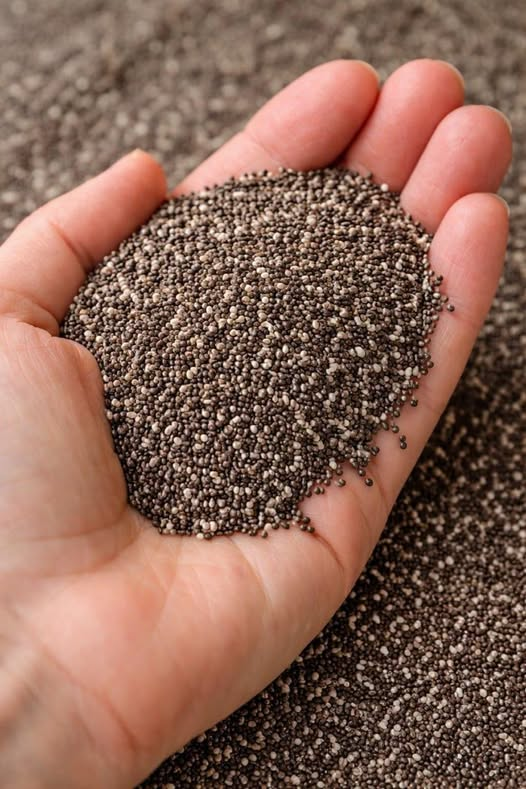
Chia seeds may be tiny, but they contain several nutrients that can support a balanced diet. Rich in fiber, plant-based omega-3 fatty acids, and minerals, these little seeds have become a popular addition to smoothies, oatmeal, yogurt, and healthy breakfast recipes.
But what actually happens when you eat chia seeds regularly? Doctors and nutrition experts recognize their nutritional value, although many dramatic claims circulating online go beyond the available scientific evidence.
Here is what you should know about chia seeds, their potential benefits, and how to eat them safely.
1. They Can Support Healthy Digestion
One of the most notable features of chia seeds is their high fiber content. Fiber helps support regular bowel movements and contributes to a healthy digestive system.
When chia seeds come into contact with liquid, they absorb water and develop a gel-like coating. This soluble fiber can help soften stool and support digestive regularity when consumed with adequate fluids.
However, increasing fiber too quickly may cause bloating, gas, or abdominal discomfort. Start with a small serving and increase it gradually.
2. They May Help You Feel Fuller for Longer
Chia seeds contain fiber, protein, and some healthy fats. Together, these nutrients can help make a meal more satisfying.
Adding chia seeds to breakfast, yogurt, or a smoothie may help you feel full for longer. This can be useful for people trying to manage their appetite as part of a balanced eating plan.
Chia seeds are not a magic weight-loss food, though. Sustainable weight management depends on overall eating habits, physical activity, sleep, and other individual factors.
3. They Provide Plant-Based Omega-3 Fatty Acids
Chia seeds are an excellent plant source of alpha-linolenic acid (ALA), a type of omega-3 fatty acid.
ALA is an essential fat, meaning the body cannot produce it in sufficient amounts and must obtain it through food. Omega-3 fats play a role in normal cell function and overall health.
The body converts only a limited amount of ALA into EPA and DHA, the omega-3 fats commonly found in fatty fish. Therefore, chia seeds and fish are not nutritionally identical sources of omega-3s.
4. They Contain Minerals Important for the Body
Chia seeds provide several minerals, including calcium, magnesium, phosphorus, and manganese.
These nutrients contribute to normal functions such as maintaining bones, supporting muscles, and helping the body carry out essential metabolic processes.
Chia seeds can contribute to a nutritious diet, but they should not be considered a treatment for mineral deficiencies. Anyone with a diagnosed deficiency should follow appropriate medical advice.
5. They May Support Heart Health as Part of a Balanced Diet
The fiber and unsaturated fats in chia seeds can be part of a heart-conscious eating pattern.
Some research suggests that chia seeds may help improve certain cardiovascular risk factors in particular circumstances, but findings are mixed. Eating chia seeds alone has not been proven to prevent heart attacks, clear blocked arteries, or replace cholesterol or blood pressure medication.
For heart health, focus on an overall pattern that includes vegetables, fruit, whole grains, legumes, nuts, appropriate sources of protein, and regular physical activity.
6. They Can Help Increase Your Fiber Intake
Many people do not consume enough dietary fiber. Adding chia seeds to everyday meals is one convenient way to increase fiber intake.
A serving of approximately two tablespoons, or about 28 grams, contains roughly 9–10 grams of fiber, although the exact amount varies by product.
You can sprinkle them over oatmeal, mix them into yogurt, or prepare chia pudding. Remember that adequate fluid intake is important when increasing fiber.
7. Are There Any Side Effects?
Chia seeds are safe for most people when eaten in reasonable amounts, but there are a few precautions to consider.
Digestive discomfort: Large quantities may cause gas, bloating, or constipation, particularly if your usual diet is low in fiber.
Swallowing difficulties: Dry chia seeds absorb liquid and expand. People with swallowing problems should avoid swallowing them dry and seek advice from a healthcare professional about safe preparation.
Allergies: Although uncommon, allergic reactions are possible.
Medication considerations: If you take medication for diabetes or blood pressure, or have a medical condition requiring dietary restrictions, ask your healthcare professional whether significant dietary changes or concentrated chia supplements are appropriate.
Chia seeds should not replace prescribed medication or medical treatment.
How to Eat Chia Seeds Safely
A simple way to enjoy chia seeds is to start with one teaspoon to one tablespoon daily and increase the amount according to your tolerance.
For chia pudding, combine 2 tablespoons of chia seeds with approximately half a cup of milk or a suitable plant-based alternative. Stir thoroughly, allow the mixture to thicken in the refrigerator for at least a few hours, and stir again before eating.
You can also add them to oatmeal, smoothies, yogurt, or overnight oats. Make sure they have enough liquid when preparing them in a gel-like form.
Frequently Asked Questions
Can you eat chia seeds every day?
Most healthy adults can include moderate amounts of chia seeds in their daily diet. Start with a small serving, increase fiber gradually, and drink enough fluids.
Are chia seeds better in the morning or at night?
There is no strong evidence that one particular time of day provides special benefits. Choose a time that fits your eating habits and digestion.
Do chia seeds burn belly fat?
No food specifically burns belly fat. Chia seeds may help with fullness because of their fiber content, but weight loss depends on the overall balance between energy intake and expenditure.
Should chia seeds be soaked before eating?
Soaking is a practical way to prepare chia seeds because they absorb liquid and form a gel. People with swallowing difficulties should be especially careful and should not swallow dry seeds.
How long does it take to notice benefits?
There is no guaranteed timeline. Changes in bowel regularity may occur after increasing fiber intake, but results vary according to diet, hydration, and individual health.
Final Thoughts
Chia seeds are a convenient, nutrient-rich food that can contribute fiber, plant-based omega-3 fatty acids, and important minerals to your diet. They may support digestion and help meals feel more satisfying, but they are not a miracle cure for weight loss, diabetes, or heart disease.
For the best results, enjoy them as part of a varied diet, increase your intake gradually, and prepare them with adequate liquid.
Disclaimer: This article is for educational purposes only and does not replace professional medical advice, diagnosis, or treatment.