What Happens to Your Body When You Eat Bananas Regularly?
Bananas are one of the most popular fruits in the world, and it's easy to understand why. They're naturally sweet, affordable, convenient, and packed with nutrients that help your body function properly.
But beyond being a quick breakfast addition or an easy snack, bananas provide several important vitamins, minerals, and types of fiber. From supporting normal heart function to helping maintain healthy digestion, this familiar yellow fruit deserves a closer look.
So, what actually happens when you eat bananas regularly? Here are the facts worth knowing.
1. Bananas Provide Nutrients That Support Heart Health
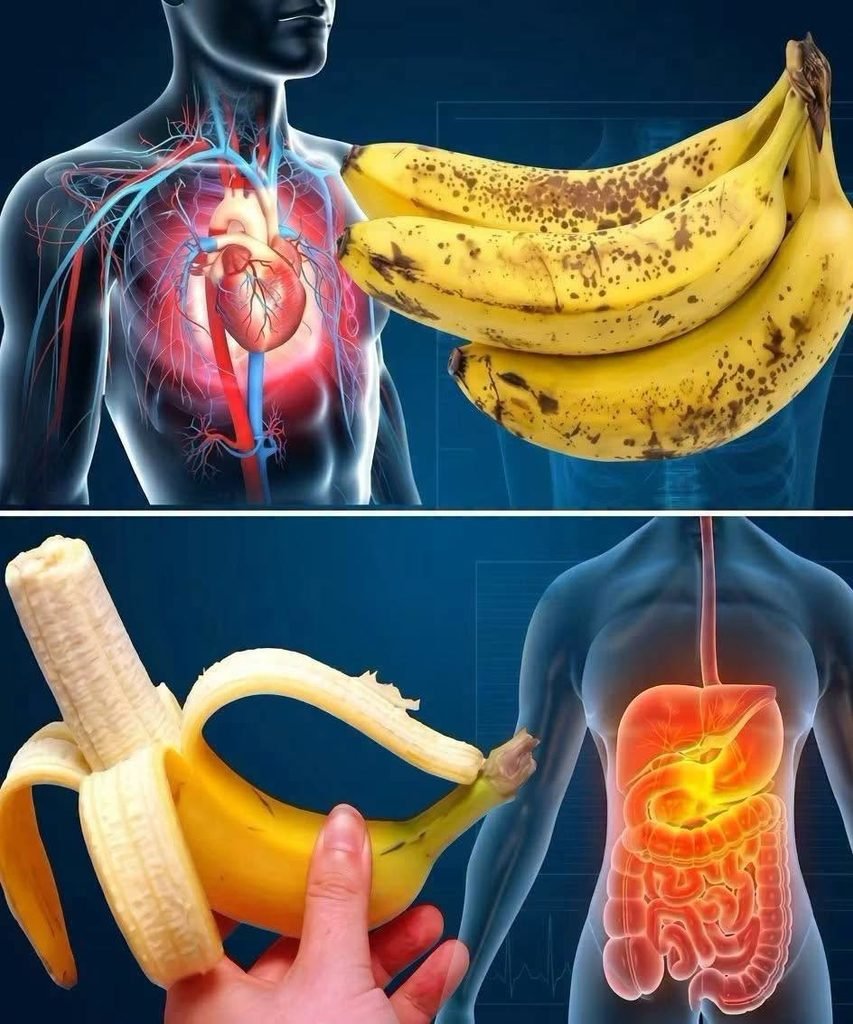
One of the most important nutrients found in bananas is potassium. This essential mineral helps your muscles contract, supports normal nerve function, and plays a role in maintaining healthy blood pressure.
A medium banana contains approximately 422 milligrams of potassium, making it a convenient way to add more of this mineral to your daily diet.
Potassium helps balance the effects of sodium in the body. Getting enough potassium through a balanced diet may help support healthy blood pressure, which is important for long-term cardiovascular health.
However, eating bananas alone cannot prevent heart disease or replace prescribed medication.
2. They Can Help Support Healthy Digestion
Bananas contain dietary fiber, which plays an important role in digestive health.
A medium banana provides approximately 3 grams of fiber. Regularly eating fiber-rich foods can help support bowel regularity and contribute to a healthy digestive system.
Bananas also contain different types of carbohydrates depending on their ripeness. Green bananas contain more resistant starch, which can reach the large intestine and serve as food for beneficial gut bacteria.
Ripe bananas are softer and may be easier for some people to tolerate when their stomach feels unsettled.
If you want to increase your fiber intake, try pairing bananas with oatmeal, nuts, or plain yogurt.
3. Bananas Provide Natural Energy
Feeling hungry between meals? A banana can be a practical snack.
Bananas contain carbohydrates, including naturally occurring sugars and starches, that your body can use for energy. This makes them a convenient option before a walk, during a busy morning, or after physical activity.
For a more filling snack, combine a banana with peanut butter, Greek yogurt, or a handful of nuts. Adding protein and healthy fats can make the snack more satisfying.
4. They Supply Vitamin B6
Vitamin B6 helps your body carry out several essential functions, including protein metabolism, normal nervous system function, and the production of certain neurotransmitters.
Bananas are a useful source of this vitamin. Including them in a varied diet can help you meet your nutritional needs without relying entirely on supplements.
Other foods that provide vitamin B6 include poultry, fish, potatoes, and chickpeas.
5. Bananas Contain Vitamin C
Although bananas are not usually the first fruit people think of when discussing vitamin C, they do provide some.
Vitamin C helps support normal immune function, contributes to collagen formation, and acts as an antioxidant that helps protect cells from damage.
Eating bananas alongside other fruits and vegetables, such as oranges, berries, bell peppers, and broccoli, can help you obtain a broader range of vitamins and minerals.
6. Do Brown Spots on Bananas Mean They Are Healthier?
As bananas ripen, their peel changes from green to yellow and may eventually develop brown spots.
During this process, starches are converted into sugars, making ripe bananas taste sweeter and their flesh softer. Less-ripe bananas generally contain more resistant starch.
Neither stage is automatically best for everyone. The right choice depends on your taste preferences, digestive comfort, and nutritional needs.
Choose bananas that are firm and free from signs of spoilage. Brown spots on the peel are normal, but visible mold, unusual odors, or a slimy texture are reasons to discard the fruit.
7. Can You Eat Bananas Every Day?
For most healthy adults, eating a banana daily can fit comfortably into a balanced diet.
There is no universal number of bananas everyone should eat. Your overall diet, activity level, individual nutritional needs, and medical conditions all matter.
Bananas do contain carbohydrates and natural sugars, so people managing blood glucose may want to consider portion sizes and how bananas fit into their meals.
People with chronic kidney disease or those advised to limit potassium should also follow their healthcare professional's guidance before substantially increasing their intake.
The key is variety: bananas are nutritious, but they work best alongside vegetables, whole grains, protein sources, and other fruits.
Easy Ways to Add Bananas to Your Diet
If you want to enjoy bananas more often, try these simple ideas:
Breakfast: Slice a banana over oatmeal or whole-grain cereal.
Smoothies: Blend banana with milk or unsweetened yogurt and berries.
Healthy snacks: Pair banana slices with peanut butter.
Baking: Use mashed ripe bananas in homemade muffins or banana bread.
Frozen dessert: Freeze banana slices and blend them until creamy for a simple frozen treat.
These options make it easier to enjoy bananas without relying on sugary desserts or heavily processed snacks.
Frequently Asked Questions
Are bananas good for your heart?
Bananas provide potassium, which supports normal muscle function and healthy blood pressure. They can contribute to a heart-healthy eating pattern, but no single food guarantees protection against heart disease.
Are ripe bananas better than green bananas?
Not necessarily. Green bananas contain more resistant starch, while ripe bananas are sweeter and softer. Both can be part of a balanced diet.
Can bananas help with constipation?
Their fiber may help support regular bowel movements. However, constipation has many possible causes, and drinking enough fluids and eating a variety of fiber-rich foods are also important.
Is it okay to eat a banana before bed?
For most people, there is no general reason to avoid bananas at night. Whether they make a suitable bedtime snack depends on personal preference, digestion, and individual dietary needs.
Can people with diabetes eat bananas?
Many people with diabetes can include bananas in their diet. Portion size, ripeness, and the amount of carbohydrate in the overall meal can affect blood glucose, so individual guidance may be helpful.
The Bottom Line
Bananas are more than a convenient snack. They provide potassium, fiber, vitamin B6, vitamin C, and carbohydrates that help meet everyday nutritional needs.
Eating them regularly can be a simple part of a balanced diet that supports digestion, normal muscle function, and healthy blood pressure. Still, bananas are not a miracle food, and their benefits depend on your overall eating pattern and individual health needs.
The next time you reach for a banana, remember that small, consistent food choices can contribute to better nutrition over time.
A question for you: Do you prefer your bananas slightly green, bright yellow, or covered in brown spots? Share your favorite way to eat them in the comments!