6 Foods That Help Increase Muscle Mass and Support Strength
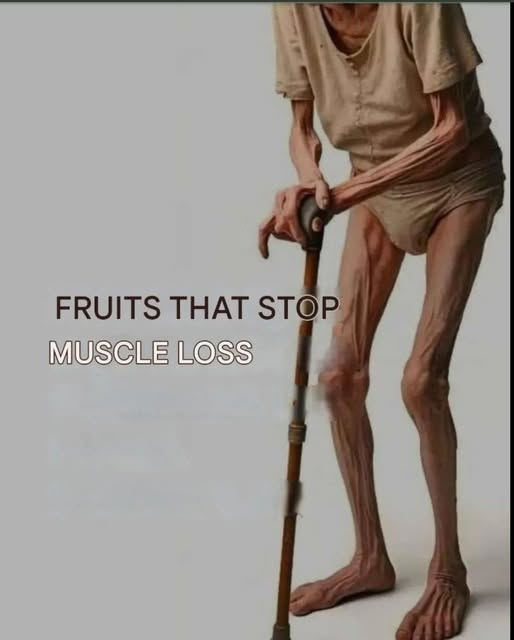
Muscle strength plays an important role in maintaining mobility, balance, and independence throughout life. As we get older, our bodies naturally tend to lose some muscle mass, a process that can contribute to weakness, slower movement, and a greater risk of falls.
The good news is that healthy eating and regular physical activity can help support muscle health at any age. While no single food can prevent muscle loss or build muscle on its own, choosing foods rich in protein, vitamins, minerals, and other essential nutrients can help give your body what it needs to maintain and repair muscle tissue.
Here are six nutritious foods that can help support muscle mass, strength, and healthy aging.
1. Eggs
Eggs are a convenient source of high-quality protein. Protein provides amino acids, which the body uses to build and repair muscle tissue.
Eggs also contain nutrients such as vitamin B12 and choline, which contribute to normal body functions. They are easy to prepare and can be included in breakfast, lunch, or dinner.
How to enjoy eggs:
Boil them for a quick, protein-rich snack.
Serve scrambled eggs with whole-grain toast.
Add hard-boiled eggs to a salad.
Prepare a vegetable omelet for breakfast.
For older adults who struggle with large meals, eggs can be a simple way to add protein without requiring a complicated recipe.
2. Greek Yogurt
Greek yogurt is a useful source of protein, and it also provides calcium, which supports bone health. Strong bones and healthy muscles work together to support movement and reduce the consequences of falls.
Choose plain, unsweetened Greek yogurt when possible. Flavored varieties can contain substantial amounts of added sugar, depending on the brand.
How to enjoy Greek yogurt:
Combine it with fresh berries.
Add chopped nuts or seeds.
Mix it with oatmeal for a filling breakfast.
Use it as a base for a smoothie.
Greek yogurt can be especially practical for people who prefer soft foods or want a quick snack between meals. People with lactose intolerance can look for suitable lactose-free options.
3. Salmon and Other Fatty Fish
Salmon provides high-quality protein and omega-3 fatty acids. Protein helps maintain muscle tissue, while omega-3 fats support several important functions in the body.
Fish can be part of a balanced eating pattern that supports healthy aging. However, eating salmon alone will not automatically increase muscle mass; physical activity and adequate overall nutrition remain important.
How to enjoy salmon:
Bake it with lemon, garlic, and herbs.
Serve it with brown rice and vegetables.
Add cooked salmon to a salad.
Choose canned salmon for a convenient alternative.
Other options include sardines, trout, and other fish that fit your budget and dietary preferences.
4. Beans and Lentils
Beans and lentils provide plant-based protein, fiber, and minerals. They are affordable, versatile foods that can help people meet their nutritional needs while adding variety to their meals.
Although plant proteins differ in their amino acid composition, eating a variety of protein-rich foods throughout the day can help support a balanced diet.
How to enjoy beans and lentils:
Make a hearty lentil soup.
Add chickpeas to a salad.
Prepare beans with vegetables and herbs.
Serve lentils alongside whole grains.
For people who do not eat meat, beans, lentils, chickpeas, and soy foods can be valuable parts of a muscle-supporting diet.
5. Lean Chicken or Turkey
Chicken and turkey are rich sources of protein. They can help provide the amino acids needed for muscle maintenance and recovery, particularly when combined with appropriate strength-building activity.
Choosing lean cuts and preparing them with moderate amounts of salt and added fat can make these foods part of a heart-conscious eating pattern.
How to enjoy chicken or turkey:
Grill or bake chicken breast with herbs.
Add cooked chicken to vegetable soup.
Prepare turkey with roasted vegetables.
Use leftover poultry in a whole-grain wrap.
For people with reduced appetite, a small serving of poultry combined with vegetables and a whole grain may be easier to manage than one very large meal.
6. Nuts and Seeds
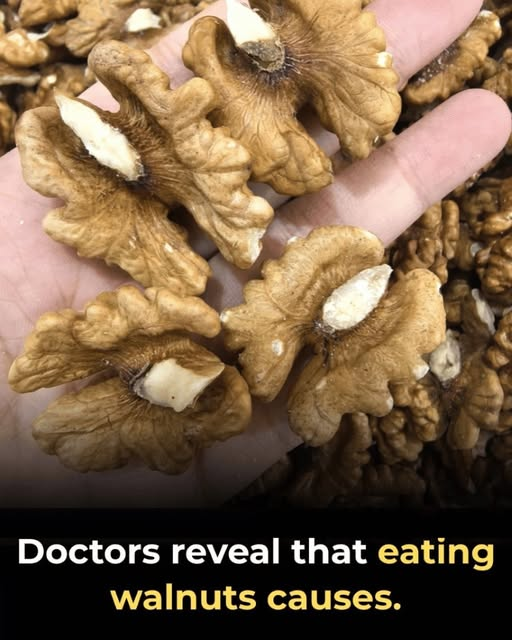
Almonds, walnuts, peanuts, pumpkin seeds, and chia seeds provide a combination of healthy fats, minerals, and varying amounts of protein.
They are not as protein-dense as many animal foods, but they can contribute to a nutritious diet and provide energy for people who have difficulty eating enough.
How to enjoy nuts and seeds:
Sprinkle chopped nuts over oatmeal or yogurt.
Add pumpkin seeds to salads.
Eat a small handful of unsalted nuts as a snack.
Blend nut butter into a smoothie.
Because nuts and seeds are energy-dense, modest portions can be useful. People with nut allergies should avoid the relevant allergens and choose safe alternatives.
Why Muscle Loss Becomes More Common With Age
Age-related muscle loss is sometimes called sarcopenia. It can develop gradually and may affect strength, walking speed, balance, and the ability to complete everyday tasks.
Several factors can contribute, including reduced physical activity, inadequate protein or calorie intake, illness, and changes that occur naturally with aging.
A nutritious diet is important, but food is only one part of the picture. Research and guidance from the National Institutes of Health emphasize the importance of muscle-strengthening exercise alongside adequate nutrition.
If someone experiences significant or unexplained weight loss, worsening weakness, repeated falls, or difficulty standing or walking, they should speak with a healthcare professional. These changes should not automatically be attributed to aging.
How to Eat for Better Muscle Health
Rather than relying on one “superfood,” aim to include a variety of protein sources and nutrient-rich foods throughout the day.
A simple day of eating might include:
Breakfast: Eggs with whole-grain toast, or Greek yogurt with berries.
Lunch: Lentil soup with whole-grain bread.
Snack: A small handful of nuts or plain yogurt.
Dinner: Baked salmon or chicken with vegetables and brown rice.
Adjust portions to your appetite, energy needs, preferences, and any medical advice you have received. Drinking enough fluids is also important, particularly for older adults who may feel less thirsty.
People with chronic kidney disease or other conditions requiring dietary restrictions may need individualized advice about protein, potassium, phosphorus, or other nutrients. They should consult their healthcare team before making major dietary changes or taking supplements.
Exercise Matters as Much as Nutrition
Eating enough protein gives your body the building blocks it needs, but muscles also need a reason to adapt and become stronger.
When medically appropriate, muscle-strengthening activities can include:
Standing up and sitting down from a sturdy chair.
Using resistance bands.
Lifting light weights with proper technique.
Performing exercises recommended by a physical therapist.
Practicing balance and walking activities suited to your ability.
Start gradually and choose exercises that match your current strength and mobility. Anyone with significant weakness, a recent injury, balance problems, or a chronic medical condition should ask a healthcare professional about safe options.
Frequently Asked Questions
Can certain foods stop muscle loss completely?
No. No single food can guarantee that muscle loss will stop. A balanced diet, adequate protein and calories, appropriate strength training, and management of underlying health conditions can all help support muscle health.
Which food is best for building muscle?
There is no single best food for everyone. Eggs, Greek yogurt, fish, poultry, beans, lentils, and soy foods can all contribute protein. The best choices depend on a person's nutritional needs, preferences, budget, and health conditions.
Are fruits helpful for muscle health?
Yes, fruits can contribute vitamins, minerals, fiber, and other beneficial compounds to a balanced diet. Some research associates higher fruit and vegetable intake with better physical function in older adults, although evidence that specific fruits directly prevent or reverse muscle loss remains limited.
Fruits are best viewed as part of an overall nutritious eating pattern, not as substitutes for protein-rich foods or strength training.
Do older adults need protein at every meal?
Including protein-rich foods at regular meals can make it easier to meet daily nutritional needs. The appropriate amount varies with body size, activity, health status, and medical conditions. A healthcare professional or registered dietitian can provide individualized guidance.
When should muscle weakness be checked by a doctor?
Seek medical advice for persistent or worsening weakness, unexplained weight loss, frequent falls, or difficulty with everyday activities. Sudden weakness, especially on one side of the body or accompanied by facial drooping or trouble speaking, requires emergency medical attention.
The Bottom Line
Maintaining muscle mass and strength is an important part of healthy aging. Eggs, Greek yogurt, fatty fish, beans and lentils, lean poultry, and nuts and seeds can all contribute to a balanced eating pattern that supports the body's nutritional needs.
Remember that no fruit or other food can single-handedly stop muscle loss. Combining nutritious meals with safe, regular muscle-strengthening activity is a more effective approach to supporting strength and independence over time.
Before making major dietary changes, especially if you have a chronic medical condition, consult a qualified healthcare professional.