8 Habits You Should Stop This Year If You Are Taking Amlodipine — And Why
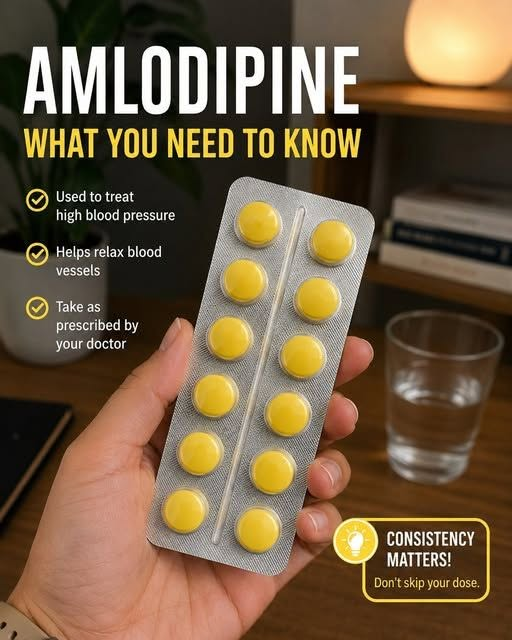
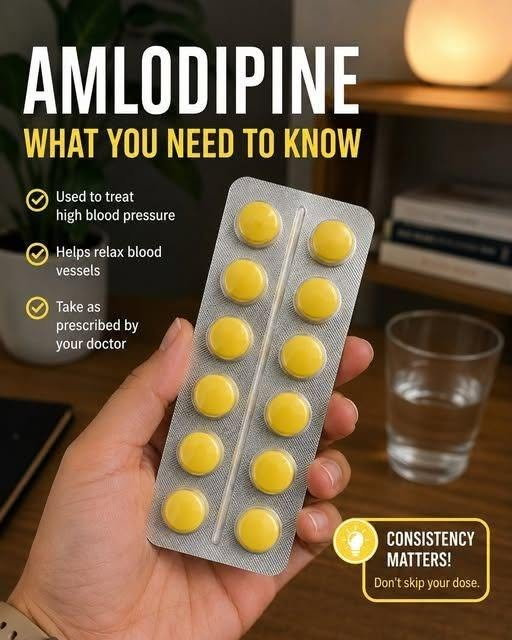
Amlodipine is a widely prescribed medication used to treat high blood pressure and certain types of chest pain. It works by relaxing blood vessels, helping blood flow more easily and reducing the workload on the heart.
Although many people take amlodipine safely for years, certain everyday habits can increase the risk of side effects or make blood pressure harder to manage.
If you take this medication, understanding what to avoid—and what you should discuss with your healthcare professional—can help you use it more safely.
1. Stop Skipping Doses or Taking Your Medication at Random Times
Amlodipine is usually taken once a day. Taking it consistently helps maintain its effect on blood pressure.
Frequently forgetting doses or taking extra tablets to compensate can interfere with your treatment and may cause your blood pressure to become too low.
A better habit: Take your prescribed dose at approximately the same time each day. Use a phone reminder or pill organizer if you often forget.
If you miss a dose, follow the instructions in your medication leaflet or ask your pharmacist. Do not double the next dose to make up for a missed one.
2. Stop Drinking Grapefruit Juice Without Checking Your Medication Advice
Grapefruit and grapefruit juice can affect how the body processes certain medications, including amlodipine. This may increase the amount of medication in your bloodstream and raise the risk of side effects.
Official UK medicine guidance advises people taking amlodipine to avoid grapefruit and grapefruit juice.
A better habit: Choose water or another suitable drink, and ask your pharmacist whether grapefruit products are appropriate for your specific prescription.
3. Stop Drinking Too Much Alcohol
Alcohol can lower blood pressure and may increase dizziness or lightheadedness in people taking amlodipine.
This can be particularly concerning when standing up, walking, or climbing stairs, because dizziness increases the risk of falling.
A better habit: Limit alcohol and notice how it affects you. If you feel dizzy or sleepy, do not drive or operate machinery. Ask your healthcare professional for individualized advice, especially if you take other medicines that lower blood pressure.
4. Stop Ignoring New Swelling in Your Feet or Ankles
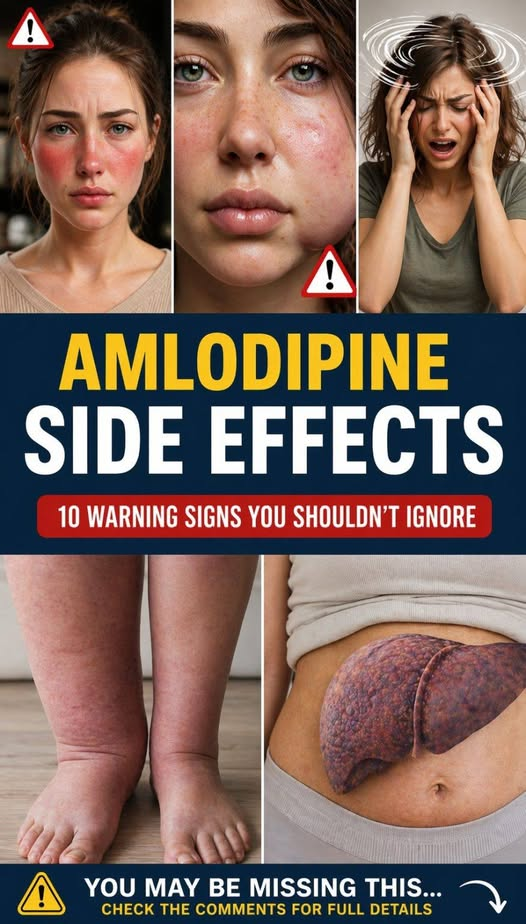
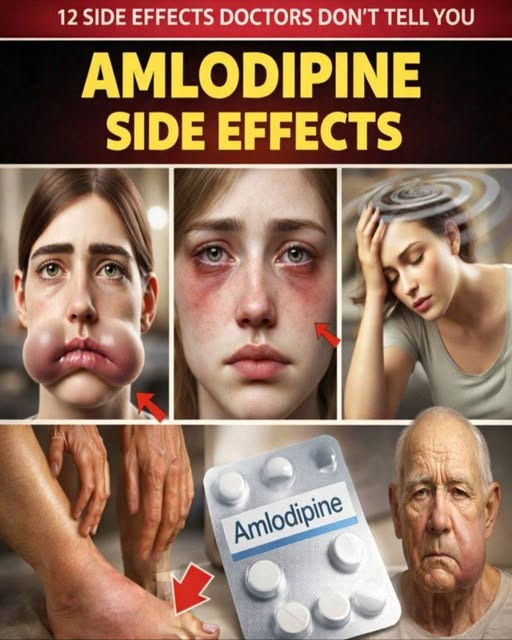
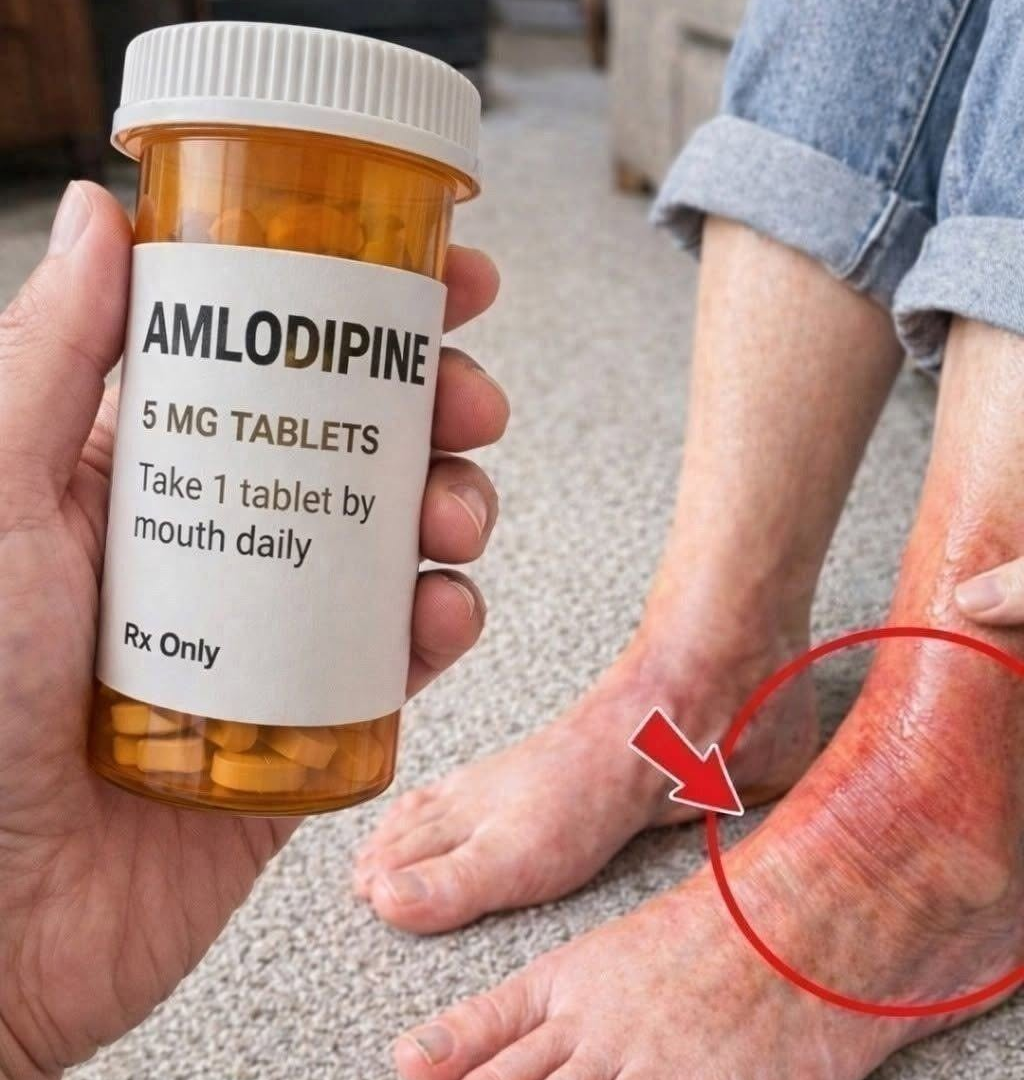
Swelling around the ankles and lower legs is a recognized side effect of amlodipine. It can occur because the medication relaxes blood vessels and changes pressure within small blood vessels.
However, swelling can also have other causes, including heart, kidney, or vein problems.
A better habit: Tell your healthcare professional about new, persistent, or worsening swelling. They may assess the cause and decide whether your treatment needs adjustment.
Do not stop amlodipine or change the dose on your own.
Sudden swelling in one leg, especially with pain, warmth, or redness, needs urgent medical assessment. Sudden breathlessness or chest pain requires emergency care.
5. Stop Eating Excessive Amounts of Salt
Amlodipine helps lower blood pressure, but a diet high in sodium can make blood pressure more difficult to control.
Common sources of excess sodium include processed meats, packaged snacks, instant soups, salty sauces, and many ready-made meals.
A better habit: Read food labels, choose less processed foods, and use herbs, spices, lemon, or garlic to add flavor instead of relying heavily on salt.
You do not need to eliminate salt completely. Follow any sodium restrictions recommended by your healthcare professional.
6. Stop Starting Supplements or Herbal Remedies Without Checking First
Vitamins, herbal products, and over-the-counter medicines can interact with prescription medications. Some may affect how amlodipine is processed, while others may influence blood pressure or increase side effects.
St. John's wort, for example, can interact with several medications, and official guidance specifically identifies it as a product that may not mix well with amlodipine.
A better habit: Tell your doctor or pharmacist about every medicine, vitamin, supplement, and herbal remedy you use before starting something new.
Do not assume that a product is safe simply because it is labeled “natural.”
7. Stop Ignoring Dizziness Before Driving or Exercising
Amlodipine can cause dizziness, headaches, tiredness, or sleepiness in some people, particularly when beginning treatment or after a dose change.
Ignoring these symptoms can increase the risk of falls, accidents, and injuries.
A better habit: Sit down if you feel lightheaded, rise slowly from sitting or lying down, and avoid driving or using machinery until you feel well again.
If dizziness is severe, persistent, or accompanied by fainting or a rapid, irregular heartbeat, seek prompt medical advice.
8. Stop Assuming You Can Quit Once Your Blood Pressure Improves
One of the most important mistakes to avoid is stopping amlodipine because your blood pressure readings have returned to normal.
The medication may be the reason your blood pressure is controlled. Stopping it can allow your blood pressure to rise again and may increase cardiovascular risk.
A better habit: Continue taking amlodipine as prescribed, even if you feel healthy. If you experience side effects or want to reduce the dose, discuss alternatives with your healthcare professional.
Never stop or change your prescription without medical guidance.
Warning Signs You Should Not Ignore
Contact your healthcare professional if you develop persistent swelling, repeated dizziness, troublesome fatigue, or other symptoms that interfere with everyday life.
Seek emergency medical care if you experience:
Severe difficulty breathing or swelling of the face, lips, tongue, or throat
Fainting or loss of consciousness
New or worsening chest pain
Sudden shortness of breath, especially with leg swelling
These symptoms may have serious causes and should not be dismissed as routine medication side effects.
Frequently Asked Questions
Can I take amlodipine with food?
Yes. Amlodipine can generally be taken with or without food. Follow the instructions on your prescription and try to take it consistently each day.
Does amlodipine cause swollen ankles?
Yes, ankle and lower-leg swelling is a common recognized side effect. Persistent or worsening swelling should be discussed with a healthcare professional because other conditions can also cause it.
Can I drink coffee while taking amlodipine?
Coffee is not universally prohibited with amlodipine. However, caffeine can temporarily affect blood pressure in some people. If you notice palpitations or blood pressure changes, discuss your caffeine intake with your healthcare professional.
What should I do if my blood pressure becomes normal?
Continue your medication as prescribed. Normal readings may indicate that the treatment is working, rather than that you no longer need it.
Is amlodipine safe for long-term use?
Amlodipine is commonly used for long-term treatment when appropriate. Your healthcare professional can monitor your blood pressure, symptoms, and any side effects and adjust treatment if needed.
Final Thoughts
Amlodipine can play an important role in controlling high blood pressure and managing certain heart conditions. Taking it consistently, being cautious with grapefruit, limiting alcohol, checking supplement interactions, and reporting concerning symptoms can help you use it safely.
Most importantly, never stop taking amlodipine or change your dose without speaking to your healthcare professional. If the medication causes troublesome side effects, there may be ways to manage them or consider an alternative treatment.
Medical disclaimer: This article is for educational purposes only and does not replace personalized medical advice. Always follow your prescription instructions and consult a qualified healthcare professional about medication concerns.