Bottlebrush Plant: What Makes This Bright Red Flower So Special?
Have you ever seen a shrub covered in bright red flowers that look just like the brushes used to clean bottles? This unusual plant is known as the bottlebrush plant, and its striking appearance makes it a popular choice for gardens and landscapes.
But its beauty is not the only reason people are curious about it. Some online posts show bottlebrush flowers being placed in jars of water to make a red herbal drink, often accompanied by claims about hidden health benefits.
So, what is this plant, what is it traditionally used for, and what should you know before trying to prepare a drink from it?
Let's explore the facts.
What Is the Bottlebrush Plant?
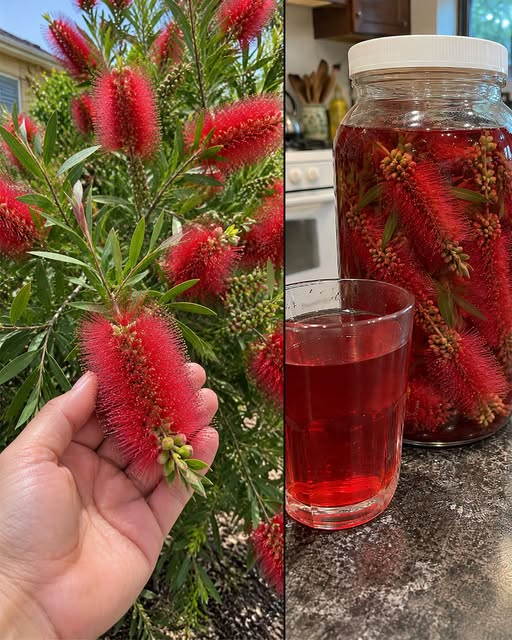
The plant shown in the image appears to belong to the bottlebrush group, commonly known by the botanical name Callistemon. Some closely related plants are now classified under the genus Melaleuca.
Bottlebrush plants are native to Australia and are widely grown as ornamental shrubs or small trees in suitable climates.
Their most recognizable feature is their cylindrical flower clusters, which are covered with long, colorful stamens. These flowers often appear bright red, although other varieties can produce pink, cream, or other shades.
The flowers attract nectar-feeding birds and insects, making these plants valuable additions to many gardens. <Cite refs={["turn417571search6","turn417571search8"]}/>
Why Is It Called a Bottlebrush?
The name comes from the shape of the flower clusters. Their long, densely packed stamens resemble the bristles of a bottle-cleaning brush.
Depending on the species and growing conditions, bottlebrush plants may develop into compact shrubs or larger trees. Many have evergreen leaves, so they can provide greenery even when they are not flowering.
Their colorful blooms make them popular choices for decorative gardens, hedges, and landscaping.
What Are the Traditional Uses of Bottlebrush?
Some plant databases describe traditional or potential uses for certain bottlebrush species, including the use of leaves as a tea substitute.
However, it is important to distinguish traditional use from scientifically established medical benefits.
The fact that a plant has been used traditionally does not prove that it can treat a disease, improve circulation, lower blood sugar, or provide other specific health outcomes.
Research on plant extracts may investigate individual compounds in laboratory settings, but those findings do not automatically establish that drinking a homemade infusion is safe or effective in humans.
At present, the image alone does not establish which exact species was used or whether the drink shown has been prepared safely.
Can You Make Tea From Bottlebrush Flowers?
The image appears to show red plant material steeped in water. However, the appearance of a homemade infusion cannot establish its safety, ingredients, or medicinal value.
Before consuming any wild or ornamental plant, its identity must be confirmed. Similar-looking plants can have very different properties, and plants grown for landscaping may also have been exposed to pesticides or other chemicals.
Even if a particular species has documented traditional uses, that does not mean every part of the plant is edible or suitable for preparing a beverage.
For these reasons, do not drink the preparation shown in the image unless the plant has been positively identified and its suitability for consumption has been established by a reliable botanical or food-safety source.
Does Bottlebrush Have Proven Health Benefits?
Claims about medicinal plants often circulate online, but reliable evidence is needed before attributing specific health benefits to them.
For bottlebrush plants, the available information about their ornamental characteristics and traditional uses should not be confused with clinical evidence demonstrating that they prevent or treat medical conditions.
In particular, there is insufficient evidence to recommend a homemade bottlebrush drink as a treatment for:
High blood pressure.
Diabetes or high blood sugar.
Heart disease.
Kidney or liver disease.
Infections or inflammation.
Anyone managing a medical condition should continue evidence-based care and speak with a healthcare professional before using herbal preparations.
How to Grow Bottlebrush in Your Garden
Bottlebrush plants are best known for their decorative value. If you want to grow one, a few basic gardening principles can help.
1. Choose a Suitable Location
Many bottlebrush varieties grow well in sunny locations. Check the requirements of the specific variety you have, because mature size, cold tolerance, and water needs differ.
2. Provide Appropriate Soil and Drainage
Most garden varieties benefit from suitable soil and good drainage. Some species tolerate wetter conditions than others, so avoid assuming that every bottlebrush has identical needs.
3. Water According to the Plant's Needs
Young plants generally need more regular watering while their roots establish. Once established, many varieties tolerate periods of drier weather, although their requirements depend on the climate and soil.
4. Prune Carefully
Light pruning after flowering can help maintain the plant's shape. Avoid removing large amounts of growth without first checking the needs of your particular variety.
5. Attract Garden Wildlife
The flowers of many bottlebrush varieties provide nectar for birds and pollinating insects. Choosing suitable plants can help make a garden more attractive to local wildlife. <Cite refs={["turn417571search7","turn417571search13"]}/>
Safety Tips Before Using Any Medicinal Plant
If you are interested in traditional herbal preparations, keep these precautions in mind:
Confirm the plant's scientific identity before considering consumption.
Never assume that a plant is safe because it grows in a garden.
Avoid plants that may have been treated with pesticides or other chemicals.
Do not use herbal preparations as a replacement for prescribed medication.
Ask a healthcare professional about potential interactions if you take regular medication.
Seek medical advice before using herbal products during pregnancy or breastfeeding.
These precautions are particularly important when a plant is being promoted online as a cure for several unrelated health conditions.
Frequently Asked Questions
Is the plant in the picture a bottlebrush?
It appears to be a bottlebrush plant or a closely related species, based on its distinctive red, brush-shaped flower clusters. A photograph alone may not be sufficient to determine the exact species.
Is bottlebrush tea a proven natural medicine?
No strong clinical evidence establishes a homemade bottlebrush infusion as an effective treatment for specific diseases. Traditional use should not be treated as proof of medical effectiveness.
Why are bottlebrush plants popular?
Their colorful flowers, attractive foliage, and ability to attract nectar-feeding birds and insects make many varieties popular ornamental plants.
Can all bottlebrush varieties be used in food or drinks?
No. Do not assume that every species, flower, leaf, or preparation is suitable for consumption. Identification and reliable evidence about the specific plant are essential.
Final Thoughts
The bottlebrush plant is a fascinating ornamental plant, recognized by its bright red flowers and distinctive brush-like shape. It can add color to a garden and attract wildlife, which helps explain its popularity.
Although some sources discuss traditional uses of certain species, claims that a homemade bottlebrush drink can treat diseases should be approached cautiously. The exact plant, the part being used, and the evidence for its safety all matter.
Enjoy bottlebrush for its beauty, and verify any claims about consuming it before trying a homemade preparation.
Disclaimer: This article is for educational purposes only. It does not recommend consuming an unidentified plant or using herbal preparations to diagnose, prevent, or treat disease.