Visible Veins on Your Hands: What Do They Really Mean?
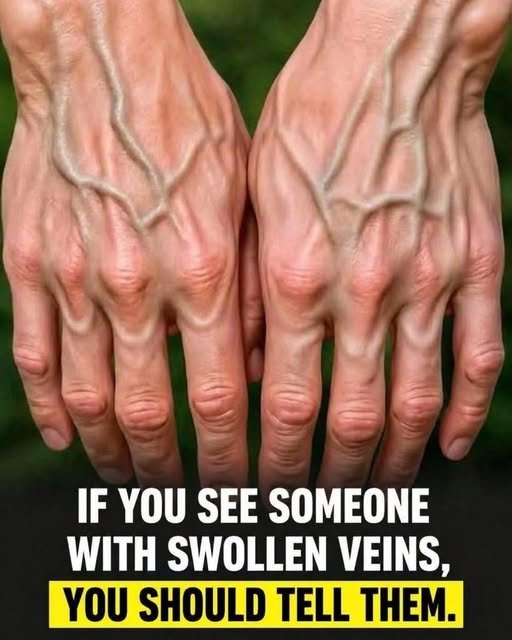
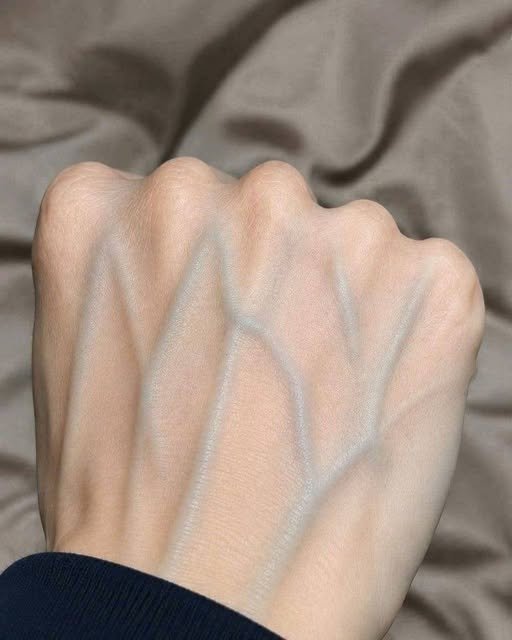
Have you ever looked at your hands and noticed that your veins appear more prominent than usual? For some people, the veins on the backs of their hands are clearly visible, while others may notice them becoming more noticeable as they get older.
But does this necessarily mean something is wrong with your health? Not at all. Visible veins are often a normal part of the body's anatomy, although certain changes may deserve medical attention.
Why Are the Veins on Your Hands So Visible?
Several factors can make the veins in your hands stand out more prominently.
1. Naturally Thin Skin
As people age, their skin gradually becomes thinner and loses some of its elasticity. This can make veins beneath the skin easier to see.
2. Lower Body Fat
People with less fat beneath their skin may have more noticeable veins in their hands and arms. This is often a normal physical characteristic.
3. Exercise and Physical Activity
During exercise, blood flow increases to meet the body's demands. This can temporarily make veins appear larger or more prominent, particularly after lifting weights or performing strenuous activities.
4. Warm Weather
Heat causes blood vessels near the skin's surface to widen, helping the body release heat. As a result, hand veins may become more visible in warm weather.
5. Genetics
Some people naturally have more prominent veins because of their skin characteristics, body composition, and inherited physical traits.
Are Prominent Hand Veins a Sign of Poor Health?
Not necessarily. Visible veins alone do not reliably indicate a particular disease, vitamin deficiency, or circulation problem.
However, if your veins suddenly become much more prominent, especially when accompanied by pain, redness, warmth, or swelling, you should seek medical advice.
Sudden swelling of one arm, severe pain, or chest pain accompanied by shortness of breath requires urgent medical evaluation.
How Can You Keep Your Hands Healthy as You Age?
Although you cannot completely control how visible your veins are, you can support your overall health by following a few simple habits:
Stay physically active and exercise regularly.
Drink enough water throughout the day.
Protect your hands from excessive sun exposure.
Use moisturizer to help maintain your skin's condition.
Eat a balanced diet rich in fruits, vegetables, protein, and healthy fats.
Consult a healthcare professional if you notice unusual or sudden changes in your hands.
When Should You Talk to a Doctor?
If prominent veins have always been visible on your hands and you have no other symptoms, they are often harmless.
However, new or worsening vein prominence accompanied by pain, swelling, skin discoloration, or warmth should be evaluated by a healthcare professional.
The appearance of your veins alone cannot determine whether your circulation is healthy, so avoid diagnosing yourself based on photographs or social media posts.
Frequently Asked Questions
Are visible veins on the hands normal after 60?
Yes. Aging can make the skin thinner, allowing veins to become more noticeable. Other factors, including genetics and body composition, also play a role.
Can drinking more water make hand veins disappear?
No. Staying hydrated supports normal bodily functions, but drinking extra water will not necessarily make naturally prominent veins disappear.
Do visible veins mean I have a vitamin deficiency?
Not by themselves. Visible veins are not a reliable indicator of a vitamin deficiency. A healthcare professional can recommend testing if you have other relevant symptoms.
Can exercise make hand veins more noticeable?
Yes. Exercise can temporarily increase blood flow and make veins stand out more prominently.
Final Thoughts
Visible veins on your hands are often a normal feature of aging, genetics, skin thickness, and body composition. Rather than worrying about their appearance alone, pay attention to sudden changes and any symptoms that occur alongside them.
Understanding what is normal for your body can help you make informed decisions about your health without unnecessary worry.
Disclaimer: This article is for general informational purposes only and is not a substitute for professional medical advice, diagnosis, or treatment.