Snake in Your House? These Popular Home Remedies May Not Work the Way You Think
Finding a snake inside your home can be a frightening experience. Whether it appears near the kitchen, in a garage, or beside a doorway, your first instinct may be to find a quick way to make it leave.
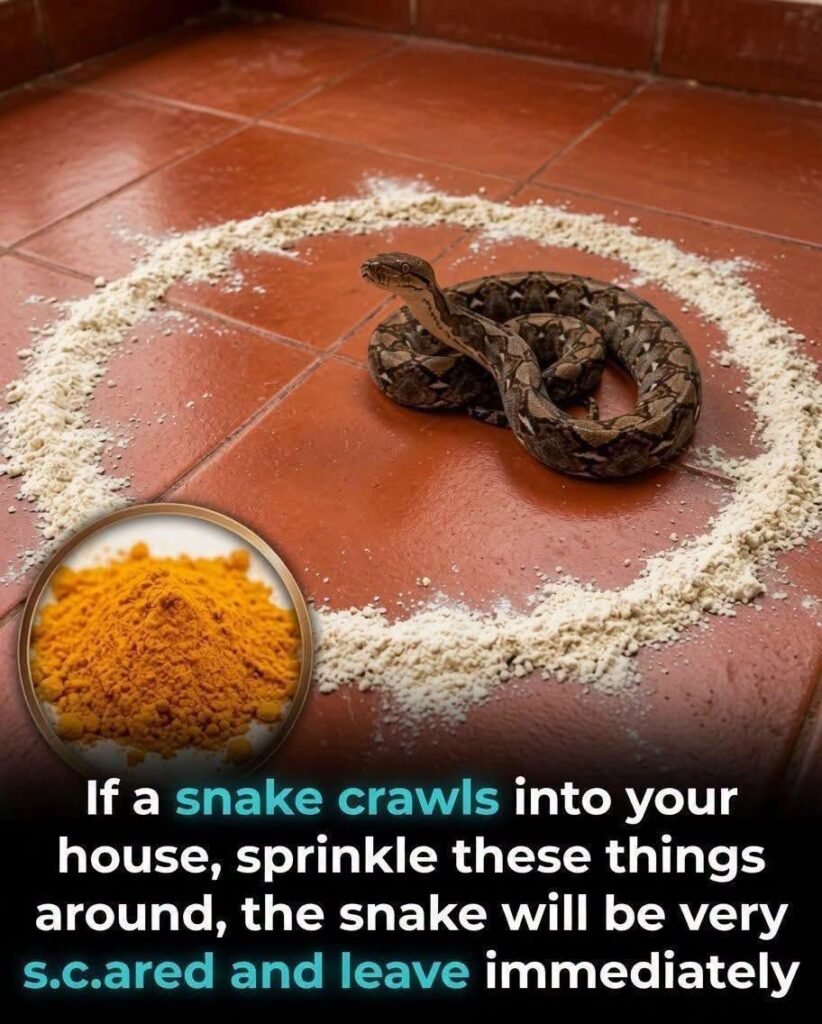
Across social media, many posts recommend sprinkling turmeric, sulfur, salt, or other household substances around a snake. Some even claim that these ingredients will scare the animal away immediately.
But before trying one of these remedies, it is important to understand what actually works, what remains unproven, and how to protect your family safely.
Can Turmeric Powder Keep Snakes Away?
Turmeric is a familiar kitchen spice used in many traditional recipes. Its bright yellow color and distinctive smell have also made it a popular ingredient in online home-remedy tips.
However, there is no reliable scientific evidence that sprinkling turmeric around a snake will consistently repel it or force it to leave a house.
The same caution applies to many other homemade remedies. A strong smell does not automatically make a substance an effective snake repellent.
Do Salt, Sulfur, or Other Household Powders Work?
Various online posts recommend substances such as salt, sulfur, lime, and other powders to discourage snakes.
Research and university extension guidance indicate that many traditional snake-repellent remedies have failed to demonstrate reliable results. Some substances can also be hazardous to people, pets, or the environment when used improperly.
For that reason, avoid spreading unknown chemicals around your home or pouring substances onto a snake.
Why Do Snakes Enter Houses?
Understanding why snakes approach buildings can help you reduce the chances of another encounter.
1. They May Be Looking for Food
Snakes often feed on rodents, frogs, lizards, or other small animals. If mice or rats are present around a property, they may attract snakes.
Keep food in sealed containers, avoid leaving pet food outside overnight, and address rodent problems safely.
2. They Need Shelter
Dark, quiet spaces can provide shelter from weather and predators. Cluttered storage rooms, woodpiles, dense vegetation, and gaps around buildings may offer hiding places.
Keep storage areas organized and remove unnecessary debris from around the house.
3. They May Enter Through Small Openings
Gaps around doors, windows, pipes, vents, and foundations can provide entry points.
Repair damaged door sweeps, fit appropriate screens over vents, and seal openings with suitable materials.
What Should You Do If You Find a Snake Indoors?
Your safety should come first. Even if a snake looks harmless, it can be difficult to identify a species accurately from a quick glance.
Follow these steps:
Keep your distance. Do not approach, corner, touch, or attempt to pick up the snake.
Move children and pets away. Keep everyone out of the room or area where the snake is located.
Do not try homemade repellents. Sprinkling powders or spraying chemicals may not work and could waste valuable time.
Call a qualified local snake handler or wildlife professional. If the snake is inside your home, let someone trained to handle snakes assess the situation.
Keep the area undisturbed. If you can safely do so without approaching the animal, prevent others from entering the room while waiting for help.
Never attempt to catch or kill a snake yourself, especially when you cannot confidently identify the species.
How to Make Your Home Less Attractive to Snakes
Prevention is generally more dependable than relying on powders or strong-smelling substances.
Keep grass short and trim dense vegetation near the house.
Remove piles of wood, rubble, and other unnecessary outdoor clutter.
Store animal feed and household waste securely to reduce rodent activity.
Seal cracks and gaps around the building.
Repair screens and ensure doors close properly.
Check outdoor storage areas carefully before moving materials.
These steps reduce hiding places and help prevent snakes from entering buildings. <Cite refs={["turn293249search0","turn293249search4"]}/>
Frequently Asked Questions
Does turmeric make snakes run away?
There is no reliable evidence that turmeric consistently repels snakes. Do not rely on it to protect your home.
Do snakes hate strong smells?
Snakes use specialized chemical-sensing systems, but this does not mean that every strong-smelling household substance will repel them. Many popular remedies have not demonstrated dependable results.
Should I use mothballs to keep snakes away?
No. Mothballs are intended for specific pest-control uses, not as a safe, dependable snake barrier. Their chemicals can harm people and animals if misused.
What is the most reliable way to prevent snakes from entering a house?
Reduce rodent activity, remove hiding places, maintain the yard, and seal openings around the building. If a snake enters the home, contact a trained local professional.
Final Thoughts
A snake inside the house is a situation that deserves calm and careful action. Although social media often promotes turmeric and other household powders as instant solutions, these methods are not proven to make snakes leave reliably.
The safer approach is to keep your distance, arrange professional removal, and make your property less attractive to snakes by reducing food sources, hiding places, and entry points.
Have you ever encountered a snake near your home? What did you do, and what advice would you share with others? Leave a comment below.
Safety disclaimer: Never handle an unidentified snake or apply chemicals directly to it. If a snakebite occurs, seek emergency medical care immediately.