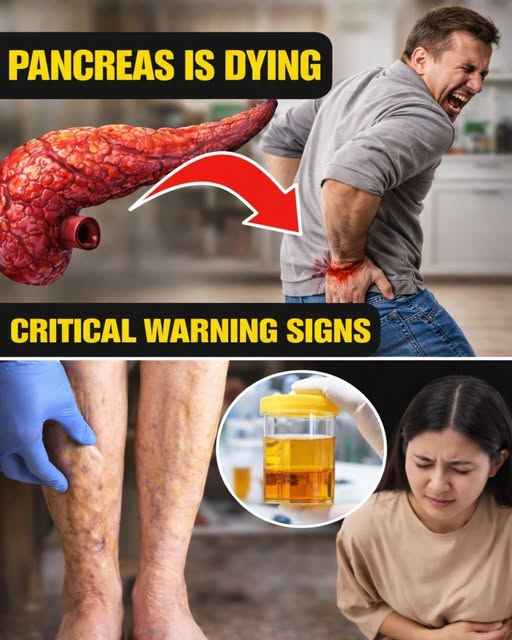
Symptoms That May Indicate a Serious Blood Clot: Know the Warning Signs
Blood clots can sometimes develop without obvious symptoms, but certain changes in the leg, arm, chest, or breathing can signal a potentially serious problem.
A clot in a deep vein is called deep vein thrombosis (DVT). If part of the clot travels to the lungs, it can cause a pulmonary embolism (PE), which can be life-threatening and requires immediate medical attention. CDC
Warning Signs of a DVT
DVT most commonly affects one leg, although it can also occur in an arm. Possible symptoms include:
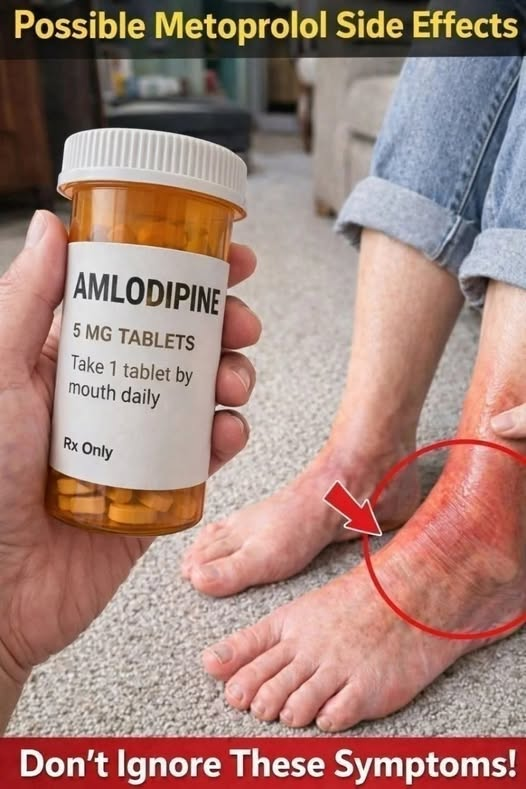
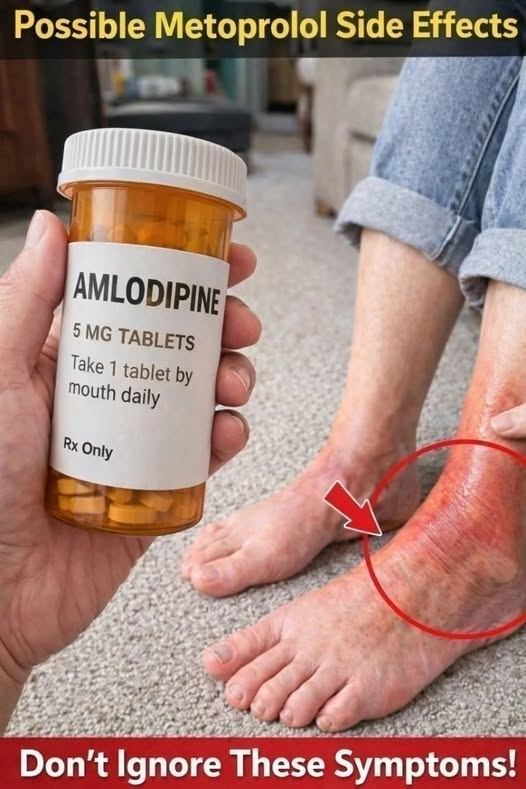
Swelling, particularly on one side
Pain or tenderness without an obvious injury
Warmth in the affected area
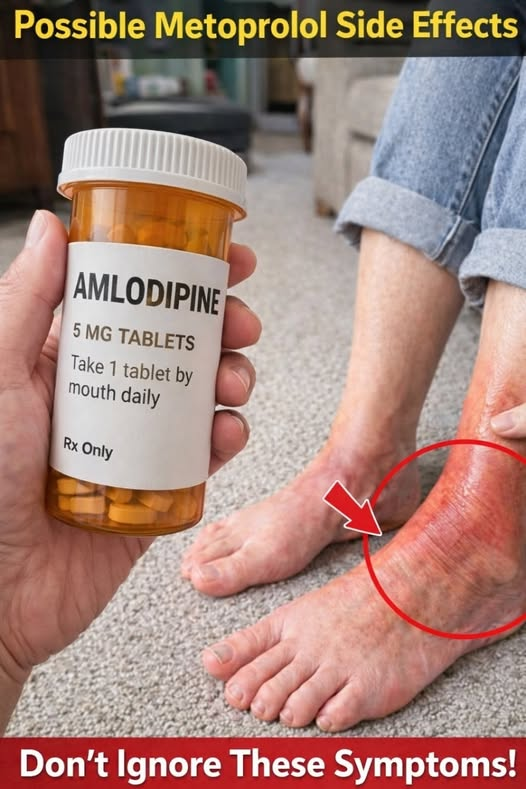
Red, blue, or darker skin discoloration
Swollen or more prominent veins
Not everyone with DVT develops symptoms, so the absence of these signs does not completely rule out a blood clot. CDC
Signs of a Pulmonary Embolism
A pulmonary embolism can occur when a blood clot travels to the lungs. Warning signs can include:
Sudden difficulty breathing
Chest pain, especially pain that becomes worse when breathing deeply or coughing
A fast or irregular heartbeat
Coughing, sometimes with blood
Lightheadedness or fainting
These symptoms require immediate medical attention.CDC
When Should You Seek Medical Help?
If you develop unexplained swelling, pain, warmth, or discoloration in one leg or arm, contact a healthcare professional promptly. DVT cannot be reliably diagnosed from symptoms alone; medical testing, such as an ultrasound, may be needed. CDC
If you have sudden shortness of breath, chest pain, coughing up blood, fainting, or a very rapid heartbeat, seek emergency medical care immediately. CDC
Who May Have a Higher Risk?
The risk of blood clots can increase with factors such as recent surgery or hospitalization, prolonged immobility or long-distance travel, certain cancers, older age, previous blood clots, pregnancy, and estrogen-containing medications. nhs.uk
The Bottom Line
A swollen or painful leg does not automatically mean you have a blood clot, because several other conditions can cause similar symptoms. But unusual symptoms—especially when they appear suddenly or affect only one side—shouldn't be ignored.
If breathing difficulty or chest pain occurs along with possible DVT symptoms, treat it as an emergency.
Medical disclaimer: This article is for general educational purposes and cannot diagnose a blood clot. If you have concerning symptoms, seek medical evaluation rather than relying on an online checklist.