What Does a Purple Flag at the Beach Mean? The Important Warning Every Beachgoer Should Know
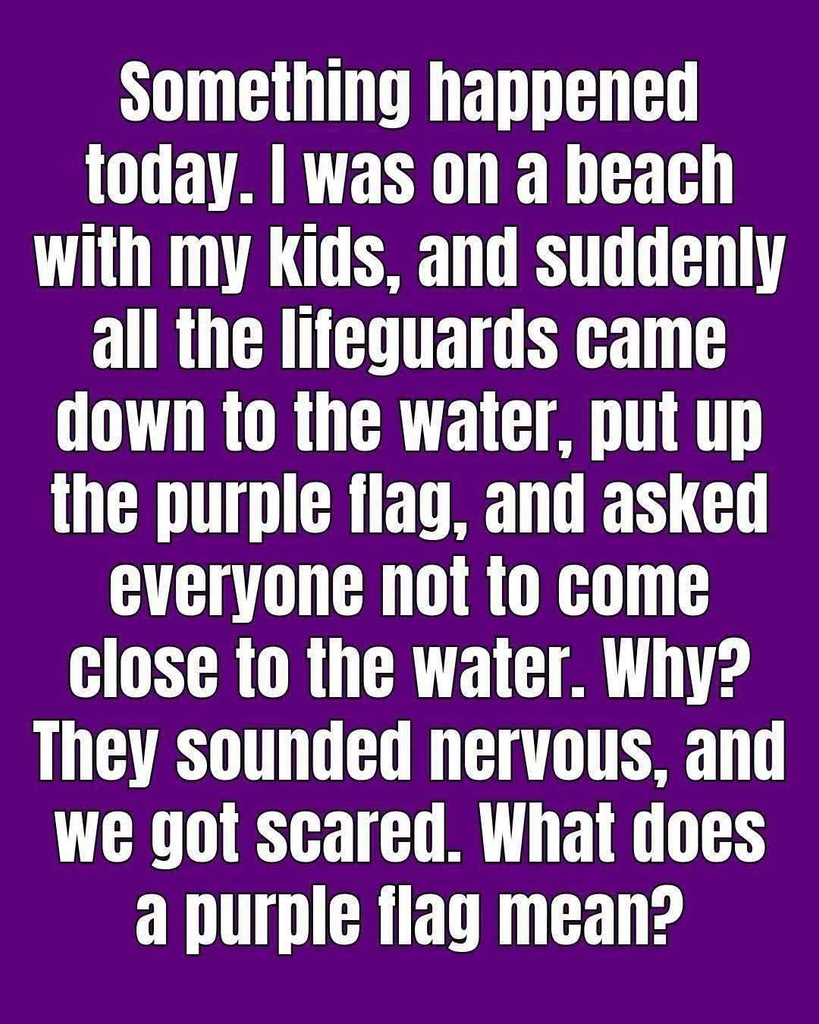
Imagine spending a relaxing day at the beach with your family when suddenly the lifeguards raise a purple flag and ask everyone to stay away from the water. The waves may look calm, the sun may be shining, and nothing unusual may be visible from the shore.
So, what does a purple beach flag mean, and should you be worried?
In many beach warning systems, a purple flag indicates potentially hazardous marine life in the water, such as jellyfish, stingrays, or other sea creatures that may injure swimmers. It does not automatically mean that sharks have been spotted, and it does not always mean that swimming is completely prohibited.
Understanding beach warning flags can help you make safer decisions and protect your family during a day by the ocean.
What Does a Purple Beach Flag Mean?
A purple beach flag is commonly used to warn beachgoers about potentially dangerous marine life.
Depending on the location, this may include:
Jellyfish: Some species can deliver painful stings.
Portuguese man o' war: These marine organisms have long, venomous tentacles that can cause painful stings.
Stingrays: These animals generally avoid people but may injure someone who accidentally steps on them.
Other potentially hazardous marine creatures: Local authorities may use the flag when marine life poses a concern for swimmers.
The exact meaning can vary by beach. Always check the posted warning signs and follow instructions from lifeguards. The United States Lifesaving Association describes the purple flag as a warning about marine pests, including jellyfish and stingrays.
Does a Purple Flag Mean Sharks Are in the Water?
Not necessarily.
In the warning system described by the United States Lifesaving Association, the purple flag is not intended to indicate the presence of sharks. Other warning flags or local emergency procedures may be used when officials need to warn swimmers about a more serious hazard.
Never assume that a purple flag means sharks are nearby, but do take the warning seriously and ask a lifeguard if you are unsure.
Why Do Lifeguards Ask People to Stay Away From the Water?
When potentially hazardous marine life is reported, lifeguards may raise a warning flag to alert beachgoers.
Depending on the situation, they may recommend extra caution, restrict swimming in a particular area, or temporarily close the water.
Their instructions may be based on reports of stings, sightings of hazardous marine animals, or other safety concerns. Even when the water looks clear, some marine creatures can be difficult to see.
If lifeguards ask you to leave the water, follow their instructions immediately.
What Other Beach Warning Flags Mean
Beach flag systems commonly use different colors to communicate hazards. However, meanings can vary by location, so check the signs posted at the beach.
Green Flag: Lower Hazard
A green flag generally indicates relatively calm conditions or a lower level of hazard. It does not guarantee that the water is completely safe.
Yellow Flag: Moderate Hazard
A yellow flag usually indicates moderate surf or currents. Swimmers should exercise caution, particularly those who are less confident in the water.
Red Flag: High Hazard
A red flag commonly warns of dangerous surf, strong currents, or other significant hazards. Many beach authorities recommend staying out of the water.
Double Red Flags: Water Closed
At beaches that use this system, two red flags indicate that the water is closed to public use. Follow local rules and do not enter the water.
Purple Flag: Potentially Hazardous Marine Life
A purple flag commonly warns that marine creatures capable of injuring swimmers may be present.
Some beaches fly more than one flag at the same time to communicate different hazards.
What Should You Do If You See a Purple Flag?
If you arrive at the beach and notice a purple flag, take these precautions:
Read the posted signs. Check the local beach warning system for the specific meaning of the flag.
Ask a lifeguard. Find out what marine life has been reported and whether swimming is permitted.
Keep children close. Explain that they should not enter the water until the lifeguard confirms it is appropriate.
Avoid touching marine animals. Even creatures washed onto the sand may still be capable of stinging or injuring someone.
Follow all swimming restrictions. If officials close the water or tell people to stay out, obey their instructions.
Know what to do after a sting. Seek assistance from a lifeguard and obtain medical care if symptoms are severe.
Do not assume that the absence of a purple flag means hazardous marine life cannot be present.
What If Someone Is Stung by a Jellyfish?
Jellyfish stings can cause pain, redness, swelling, or raised marks on the skin. The severity depends on the species, the amount of contact, and the person's reaction.
If someone is stung:
Get the person out of the water safely.
Ask a lifeguard for assistance and follow local first-aid guidance.
Avoid rubbing the affected area or touching tentacles with bare hands.
Do not apply urine or unverified home remedies.
Seek emergency medical help if the person has difficulty breathing, collapses, develops severe symptoms, or appears to have a serious allergic reaction.
First aid varies by jellyfish species and location, so the advice of trained local responders is important.
Is It Safe to Walk on the Beach When a Purple Flag Is Flying?
A purple flag generally concerns marine life in the water, but the appropriate precautions depend on local conditions and the specific animal involved.
If you are walking near the shoreline, avoid touching unfamiliar sea creatures or anything that looks like a jellyfish or Portuguese man o' war. Ask a lifeguard whether the beach itself is safe and whether additional restrictions apply.
Frequently Asked Questions
Does a purple flag mean the beach is closed?
Not necessarily. At many beaches, it warns of potentially hazardous marine life rather than an automatic closure. Local signs and lifeguard instructions determine whether swimming is allowed.
Does a purple flag mean there are jellyfish?
It can indicate jellyfish or other potentially hazardous marine creatures. The exact species may not be known, and the flag's meaning depends on the local warning system.
Can you swim when a purple flag is flying?
That depends on local conditions and official instructions. Ask a lifeguard before entering the water, and never swim if authorities have closed the area.
Are purple beach flags used everywhere?
No. Not every beach uses the same flag system, and some locations use additional colors or symbols. Always check the local safety information.
Final Thoughts
A purple beach flag is an important warning that potentially hazardous marine life may be present in the water. It is not necessarily a sign of sharks or a complete beach closure, but it should never be ignored.
Before swimming, check the warning signs, listen to lifeguards, and make sure children understand the rules. A few moments spent checking beach conditions can help prevent an otherwise enjoyable family outing from becoming an emergency.
What do you think? Let us know in the comments! 💬❤️ Have you ever seen a purple flag at the beach, and did you know what it meant?
Medical and safety disclaimer: This article is for general educational purposes. Beach warning systems and first-aid recommendations can vary by location. Always follow the instructions of local lifeguards and emergency services.