Home Teeth Whitening: What Really Works and How to Brighten Your Smile Safely
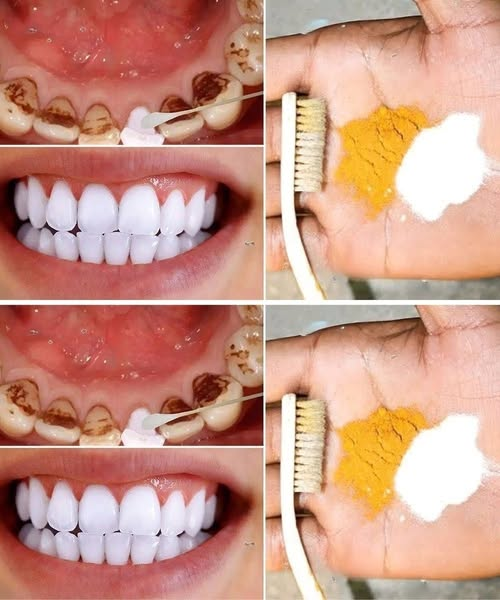
A bright smile can make you feel more confident, and it is understandable to look for simple ways to keep your teeth looking clean and white. Social media often features homemade teeth-whitening recipes that promise dramatic results in just two minutes.
However, not every DIY method is safe for your teeth. Some household ingredients may irritate your gums or wear down tooth enamel, even if the teeth initially appear cleaner.
The good news is that there are practical ways to reduce surface stains at home and options for whitening your teeth more effectively.
Why Do Teeth Become Yellow or Stained?
Teeth can gradually change color for several reasons, and not all discoloration can be removed with ordinary brushing.
Common causes include:
Coffee and tea: Dark pigments can accumulate on the tooth surface over time.
Tobacco use: Smoking and other tobacco products can contribute to staining.
Aging: Enamel gradually becomes thinner, allowing the naturally yellower dentin beneath it to show through.
Oral hygiene: Plaque buildup and inadequate cleaning can affect the appearance of teeth.
Certain dental conditions: Some discoloration originates inside the tooth and may require professional assessment.
Understanding the cause of discoloration helps determine which approach is likely to work.
Can You Whiten Teeth at Home in Two Minutes?
Brushing for two minutes helps remove plaque and everyday debris, but it does not normally produce dramatic bleaching results in a single session.
A whitening toothpaste may gradually reduce certain surface stains. Products containing approved bleaching ingredients can lighten natural teeth over a longer period when used according to their instructions.
A photograph showing a dramatic before-and-after difference does not prove that a particular homemade mixture caused the result.
A Simple and Safer At-Home Oral Care Routine
You do not need a complicated homemade recipe to keep your teeth clean.
Step 1: Brush with Fluoride Toothpaste
Brush your teeth twice a day for two minutes using a soft-bristled toothbrush and fluoride toothpaste.
Use gentle circular movements and clean all tooth surfaces. Brushing too aggressively can contribute to gum recession and tooth wear.
Step 2: Clean Between Your Teeth
Use dental floss or an appropriate interdental cleaner once a day. These tools help remove plaque and food particles from areas a toothbrush may not reach.
Step 3: Consider a Whitening Toothpaste
If surface stains are your main concern, choose a reputable whitening toothpaste designed for regular use. Look for products with credible safety and effectiveness information, and follow the label directions.
Whitening toothpastes generally work by removing surface stains. They may not significantly change the natural underlying color of your teeth.
Step 4: Limit Common Sources of Staining
Coffee, tea, and tobacco can contribute to discoloration. Reducing frequent exposure to staining drinks and avoiding tobacco can help maintain a cleaner-looking smile.
Rinsing your mouth with water after coffee or tea may also help remove some residue.
Step 5: Schedule Regular Dental Checkups
Professional dental cleaning can remove certain deposits and stains that ordinary brushing cannot eliminate.
A dentist can also check for cavities, gum disease, or other problems that should be addressed before starting a whitening treatment.
What About Baking Soda, Turmeric, or Other Homemade Powders?
Homemade whitening recipes often combine ingredients such as baking soda, turmeric, salt, or other powders.
These mixtures are not automatically safe or effective simply because their ingredients are common household products.
Turmeric: There is no reliable evidence that turmeric provides effective teeth whitening.
Lemon juice or vinegar: Their acidity can erode tooth enamel.
Charcoal powders: Evidence supporting their whitening effectiveness and safety is limited, and abrasive products may damage tooth surfaces.
Rough homemade scrubs: Excessive abrasion can wear away tooth structure and potentially make yellow dentin more visible.
The safest approach is to avoid experimenting with unverified mixtures and choose products designed specifically for oral care.
What Is the Most Effective Way to Whiten Teeth?
For people who want a more noticeable change in tooth color, there are several options.
Dentist-Supervised Whitening
A dentist can examine your teeth and gums, determine the likely cause of discoloration, and recommend an appropriate treatment.
Options may include whitening performed in the dental office or a dentist-provided kit for use at home.
Over-the-Counter Whitening Products
Whitening strips and other regulated products may help lighten natural teeth when used exactly as directed. Their effectiveness varies, and some people experience temporary tooth sensitivity or gum irritation.
Ask a dentist before using whitening products if you have untreated cavities, gum disease, significant tooth sensitivity, or dental restorations.
Remember: Dental Restorations Do Not Whiten Like Natural Teeth
Crowns, veneers, fillings, and dentures do not respond to whitening treatments in the same way as natural tooth enamel. A dentist can explain how whitening might affect the appearance of your existing dental work.
Common Teeth-Whitening Mistakes to Avoid
Scrubbing your teeth aggressively in an attempt to whiten them faster.
Using acidic household ingredients directly on teeth.
Applying concentrated bleaching chemicals without professional guidance.
Using whitening products more frequently or for longer than directed.
Ignoring persistent sensitivity, gum irritation, or tooth pain.
If whitening causes significant discomfort, stop the treatment and consult a dental professional.
Frequently Asked Questions
Can teeth become noticeably whiter in two minutes?
Two minutes of brushing can help clean your teeth and remove some surface debris, but it is unlikely to create a dramatic bleaching effect. Most whitening treatments require repeated use or professional treatment.
Does baking soda whiten teeth?
Baking soda can help remove some surface stains when used in appropriately formulated dental products. However, homemade mixtures are not equivalent to tested toothpaste formulations, and harsh scrubbing should be avoided.
Is professional teeth whitening safe?
When appropriately selected and performed under dental supervision, whitening can be an effective option. Temporary tooth sensitivity and gum irritation are possible, so a dental assessment is important.
Can whitening damage tooth enamel?
Improper use of abrasive substances or bleaching products can harm oral tissues. Follow product instructions and seek professional advice if you experience pain or persistent sensitivity.
Final Thoughts
Keeping your teeth bright starts with good oral hygiene rather than a miracle mixture. Brushing twice daily with fluoride toothpaste, cleaning between your teeth, limiting staining habits, and visiting your dentist regularly can help maintain a healthy smile.
If you want teeth that are noticeably whiter, consider a proven whitening product or professional treatment instead of relying on an unverified two-minute recipe.
A healthy smile matters more than an unrealistic promise of instant results.
Disclaimer: This article is for general educational purposes only and does not replace personalized dental advice.