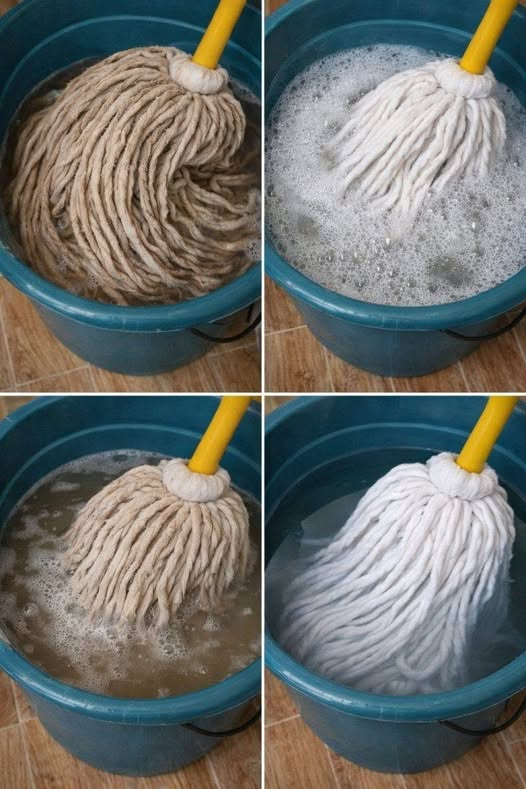
White vinegar is often recommended as a household laundry trick, especially for towels that feel stiff or have developed a musty smell. But using vinegar does not automatically make every load cleaner, whiter, or softer.
In some situations, vinegar may help loosen mineral or detergent deposits that make towels feel rough. However, it is not a reliable replacement for laundry detergent or a dedicated whitening product.
Here is what to know before trying this popular laundry tip.
Why Do White Towels Become Gray or Stiff?
Several factors can affect the appearance and feel of towels over time:
Detergent buildup: Using too much detergent can leave residue in fabric.
Hard water: Minerals in water may combine with detergent and form deposits.
Fabric softener buildup: Some softeners can coat towel fibers and reduce absorbency.
Washing habits: Overloading the machine or using an unsuitable wash cycle can affect cleaning results.
Frequent use and aging: Repeated washing and wear can gradually change the texture and color of fabric.
Before adding a household product, check your detergent dosage, water hardness, and the care label on your towels.
Method 1: Use a Separate Vinegar Soak for Stiff Towels
If your towels have a crusty feel that may be caused by mineral or detergent deposits, a separate soak may help.
What you need:
Plain white vinegar labeled for household use
Warm water
A clean plastic basin
A measuring cup
Instructions:
Check the towel's care label to make sure it can tolerate the treatment.
Fill a plastic basin with warm water.
If appropriate for the fabric, mix approximately one cup of white vinegar with one gallon (3.8 liters) of water.
Submerge the towels and allow them to soak for about 15 minutes.
Rinse the towels thoroughly with clean water.
Wash them separately using the recommended amount of laundry detergent and the care-label instructions.
Dry them according to the manufacturer's guidance.
This method may help with certain mineral or detergent deposits, but results vary. Vinegar will not repair damaged fibers or restore dye that has faded.
Important: Do not pour the soaking solution into your washing machine unless the manufacturer specifically permits it. Some washing-machine manufacturers warn that repeated exposure to vinegar can damage rubber seals and hoses.
Method 2: Make White Towels Brighter With the Right Laundry Products
If your white towels have turned gray or yellow, vinegar may not be the best solution. A laundry product designed for whitening may be more effective.
Instructions:
Separate white towels from colored laundry.
Read the fabric care label.
Use a detergent formulated for white fabrics, following the package directions.
If necessary, choose an appropriate oxygen-based whitening product that is safe for the fabric.
Select the wash temperature and cycle recommended for the towels.
Avoid using more detergent than instructed, because excess product can leave residue.
Chlorine bleach may be suitable for some white cotton towels, but only if the care label and product instructions allow it.
Never mix vinegar with chlorine bleach. The combination can release toxic chlorine gas. Never combine vinegar with other cleaning chemicals unless the product labels explicitly confirm that doing so is safe.
Can Vinegar Really Make Towels Softer?
It may help some towels feel less stiff when mineral deposits or detergent residue are contributing to the problem. However, vinegar is not a guaranteed fabric softener, and frequent use can pose risks to certain washing machines.
For consistently softer, more absorbent towels:
Measure detergent carefully.
Avoid overloading the washer.
Rinse thoroughly.
Avoid excessive fabric softener, which can reduce towel absorbency.
Dry towels properly and allow them to become completely dry before storing them.
If your washing machine's manufacturer advises against vinegar, follow that guidance and use a suitable laundry product instead.
Does Vinegar Whiten Clothes?
Vinegar is not a dependable bleaching agent. It may help remove certain deposits that make white fabrics look dull, but it does not reliably remove deep discoloration or restore lost color.
For whitening, a product specifically designed for laundry is generally a better choice.
Does Vinegar Disinfect Towels?
No. Household white vinegar should not be relied upon to disinfect laundry or kill all disease-causing germs. Use an appropriate laundry disinfectant or sanitizing cycle when necessary, following the product and machine instructions.
Common Mistakes to Avoid
Adding vinegar to every wash: Frequent use may damage certain machine components and is not necessary for most loads.
Using too much detergent: Excess detergent can contribute to residue rather than improve cleaning.
Mixing vinegar with bleach: This can produce dangerous chlorine gas.
Assuming every fabric can tolerate vinegar: Delicate fabrics, elastic materials, and some dyes may be affected by acidic treatments.
Ignoring the washing-machine manual: Manufacturer guidance should take priority over general household cleaning tips.
Frequently Asked Questions
Where should vinegar go in the washing machine?
There is no universal recommendation. Some manufacturers advise against putting vinegar inside the machine because it may damage internal components over time. Check your specific machine's manual before using it.
Can vinegar remove musty smells from towels?
It may help in some cases if residue contributes to the smell, but it will not solve every cause. Wash towels with the correct amount of detergent, dry them completely, and investigate persistent odors from the washer itself.
Can I mix vinegar and baking soda for laundry?
Mixing them causes an acid-base reaction that largely neutralizes both ingredients. It is not a particularly effective way to boost laundry cleaning, so use appropriate products separately according to their labels.
How often should I use vinegar on towels?
There is no universal schedule. If your towel care label permits it and the treatment is appropriate, use it only when needed rather than automatically adding it to every load. Follow the washing-machine manufacturer's guidance.
Final Thoughts
White vinegar can be useful for certain laundry problems, particularly when mineral or detergent deposits leave towels feeling stiff. But it is not a miracle solution for every dull white garment or rough towel.
Start with proper detergent measurements, suitable wash settings, and good drying habits. If you choose to try a vinegar soak, keep it separate from the washing-machine cycle unless your manufacturer approves its use, and never mix vinegar with bleach.
A simple, fabric-safe laundry routine is usually the best way to keep towels fresh, comfortable, and absorbent.