Discover Why Your Sleeping Posture Is Key to Your Health
Do you wake up with a stiff neck, aching lower back, or sore shoulders even after spending eight hours in bed? Your sleeping position could be one factor contributing to your discomfort.
Sleep gives your body time to rest and recover, but the way you position your head, spine, hips, and knees can affect how comfortable you feel throughout the night. The right setup may help reduce unnecessary pressure on certain areas of your body, especially if you already experience back or neck pain.
However, there is no single sleeping position that is perfect for everyone. Your comfort, medical history, mattress, and existing symptoms all matter.
Here is how different sleeping positions may affect your body and how to make your sleep more comfortable.
1. Sleeping on Your Back: Support Your Natural Spinal Curve
<AsyncImage query="person sleeping on back with pillow under knees neutral spine side view" aspectRatio="16:9" width="100%"/>
Sleeping on your back can help distribute your body weight across the mattress and may make it easier to keep your head, neck, and spine in a comfortable position.
However, lying flat with your legs completely straight may be uncomfortable for some people, particularly those who experience lower-back pain.
How to make back sleeping more comfortable
Use a pillow that supports your head without pushing your chin too far toward your chest.
Place a pillow beneath your knees if it helps relieve pressure on your lower back.
Choose a mattress that supports your body without allowing your hips to sink excessively.
Keep your shoulders relaxed and avoid forcing your back into an unnaturally flat position.
The goal is not to make your spine perfectly straight. It is to maintain a comfortable, supported position that allows your muscles to relax.
Important: Sleeping on your back may worsen snoring or obstructive sleep apnea in some people. Side sleeping may be preferable if you have these problems, following advice from your healthcare professional.
2. Sleeping on Your Side: Keep Your Neck and Hips Aligned
<AsyncImage query="person sleeping on side with pillow between knees and supportive head pillow neutral spine" aspectRatio="16:9" width="100%"/>
Side sleeping is a popular option and may be helpful for people who find lying on their back uncomfortable. It can also reduce snoring for some individuals.
However, your neck and hips may become uncomfortable if your pillow is too high, your top leg twists forward, or your body remains in a strained position for hours.
How to improve side sleeping
Choose a pillow high enough to fill the space between your shoulder and head.
Place a pillow between your knees to help keep your hips more comfortable.
Keep your knees slightly bent rather than curling tightly into a ball.
Avoid placing your arm underneath your head in a way that creates shoulder pressure.
Use a mattress that supports your hips and shoulders comfortably.
You do not need to keep your body perfectly rigid throughout the night. Changing positions naturally is normal.
3. Is Sleeping on Your Stomach Bad for Your Back?
<AsyncImage query="person sleeping on stomach face turned to side in bed" aspectRatio="16:9" width="100%"/>
Stomach sleeping is not automatically harmful, but it can make it harder to keep your neck and spine in a comfortable position.
Because your head usually needs to turn to one side to breathe, this position may place prolonged rotational stress on the neck. Depending on your mattress and body position, it may also increase discomfort in the lower back.
If you regularly wake up with neck stiffness or back pain, consider gradually trying side sleeping or back sleeping instead.
If you prefer sleeping on your stomach, these adjustments may help:
Use a thin head pillow or no head pillow if comfortable.
Consider placing a thin pillow beneath your lower abdomen or pelvis if it reduces back discomfort.
Avoid forcing your neck into an extreme position.
Stop using a position that consistently worsens your symptoms.
There is no need to change your sleeping position solely because an illustration labels it as incorrect. Your symptoms and individual needs are more useful guides.
4. Why Pillow Placement Matters
A pillow is not just a matter of comfort. Its height and position can influence how your neck and shoulders rest during sleep.
A pillow that is too high may push your head forward when you sleep on your back. A pillow that is too low may allow your head to tilt downward when you sleep on your side.
Choose the right pillow for your position
For back sleepers: Use a pillow that supports the natural curve of your neck without lifting your head excessively.
For side sleepers: Choose a pillow that fills the gap between your shoulder and head so your neck does not bend noticeably sideways.
For stomach sleepers: A thinner pillow may reduce the amount your neck has to bend backward or sideways.
Pillow preferences vary, so focus on maintaining comfort rather than buying a product that promises to correct every spinal problem.
5. Can Sleeping Position Help With Lower-Back Pain?
For some people, adjusting their sleeping position can reduce discomfort, particularly when combined with suitable daytime habits.
If you sleep on your back, placing a pillow under your knees may feel relieving. If you sleep on your side, placing a pillow between your knees may help keep your pelvis in a comfortable position.
Other factors also matter, including physical activity, muscle strength, stress, mattress comfort, and the underlying cause of your pain.
Persistent back pain should not automatically be blamed on sleeping posture. If it continues, worsens, or interferes with daily life, a healthcare professional can help determine the cause and recommend appropriate treatment.
Seek urgent medical care for back pain accompanied by new loss of bladder or bowel control, numbness around the groin, or significant or progressive weakness in the legs.
6. Your Sleeping Position May Affect Snoring and Acid Reflux
Sleeping posture can influence more than muscle comfort.
Snoring and sleep apnea
For some people, sleeping on the back allows the airway to become more restricted during sleep. Side sleeping may reduce snoring and breathing interruptions, although it does not treat every case of sleep apnea.
Loud habitual snoring, gasping during sleep, or excessive daytime sleepiness should be discussed with a healthcare professional.
Acid reflux
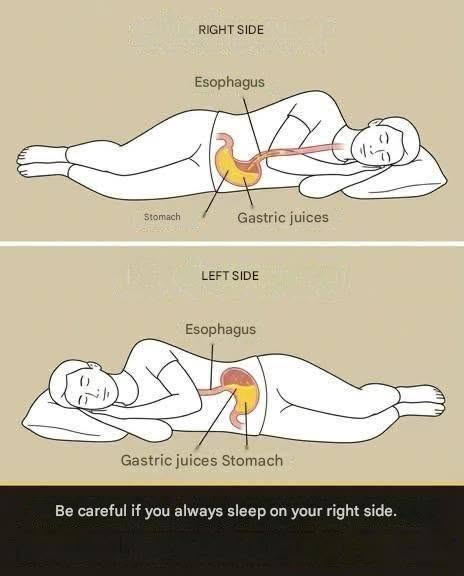
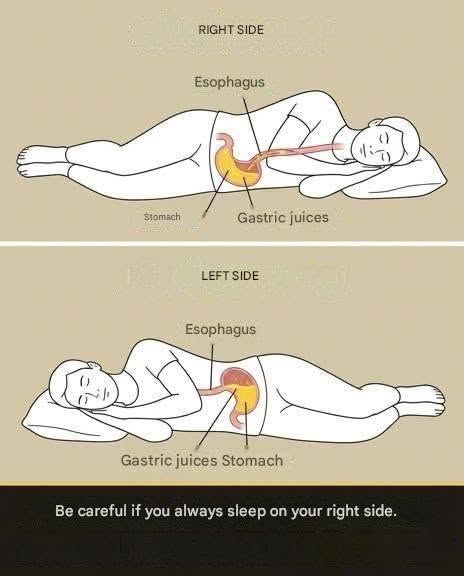
If you experience heartburn at night, sleeping on your left side may help reduce reflux symptoms for some people. Raising the head of the bed with a suitable wedge can also help.
Stacking several ordinary pillows may bend your body at the waist rather than elevating your upper body effectively.
Frequent nighttime reflux deserves medical advice, particularly if it affects your sleep or causes persistent symptoms.
7. Small Habits That Can Improve Sleep Comfort
Your sleeping position is only one part of healthy sleep. These simple habits may also help:
Maintain a regular sleep and wake schedule.
Choose a mattress and pillow that feel supportive and comfortable.
Avoid spending long periods in a strained position before bed.
Stretch gently during the day if appropriate for your physical condition.
Keep your bedroom dark, quiet, and comfortably cool.
Seek advice if pain repeatedly wakes you or prevents restful sleep.
You do not need expensive equipment or a complicated nighttime routine to improve sleep comfort.
Frequently Asked Questions
What is the healthiest sleeping position?
There is no universally best position. Side sleeping and back sleeping can both be comfortable and suitable, depending on your health and symptoms. People with certain breathing problems may need to avoid sleeping on their backs.
Should I put a pillow under my knees when sleeping on my back?
You can try it if it feels comfortable. A pillow beneath the knees may reduce lower-back discomfort for some people, but it is not necessary for everyone.
Is sleeping on your side better than sleeping on your stomach?
Side sleeping may reduce the prolonged neck rotation associated with stomach sleeping. However, the best position depends on your comfort, medical needs, and whether a particular position worsens your symptoms.
Can the wrong pillow cause neck pain?
A pillow that does not suit your sleeping position may contribute to neck discomfort. Adjusting pillow height and support can help, although neck pain can have many other causes.
Should I force myself to sleep in one position all night?
No. People naturally change positions during sleep. Instead of trying to remain completely still, find a comfortable starting position and use supportive pillows where helpful.
Final Thoughts
Your sleeping posture can influence how your neck, shoulders, hips, and back feel when you wake up. Small changes, such as adjusting your pillow or placing a cushion between or beneath your knees, may improve comfort.
But no sleeping position is automatically perfect for everyone, and an uncomfortable night does not necessarily mean that you have damaged your spine.
Pay attention to your symptoms, make gradual adjustments, and seek medical advice if pain persists or if you experience concerning warning signs. The best sleeping position is one that supports comfortable rest while taking your individual health needs into account.
Medical disclaimer: This article is for educational purposes only and does not replace professional medical advice, diagnosis, or treatment.