How to Get Rid of Phlegm and Mucus in Your Chest and Throat Naturally
A persistent feeling of mucus in your throat or chest can be uncomfortable, especially when it causes frequent coughing, throat clearing, or difficulty sleeping. Phlegm and mucus are natural substances that help protect the respiratory system by trapping dust, irritants, and germs.
When you have a cold, allergies, sinus congestion, or another respiratory condition, your body may produce more mucus than usual. The good news is that several simple home remedies can help loosen mucus and ease discomfort while your body recovers.
Here are practical ways to manage phlegm and mucus safely, along with warning signs that mean you should seek medical attention.
What Causes Excess Phlegm and Mucus?
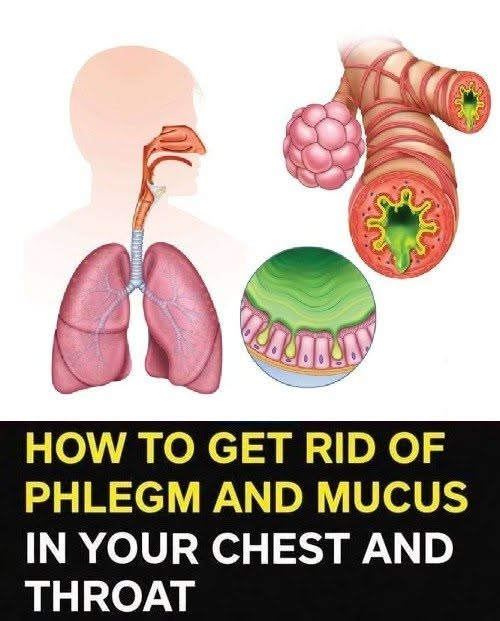
Mucus is produced by tissues lining the nose, throat, and airways. Phlegm usually refers to mucus coughed up from the lower respiratory tract.
Common causes of excess mucus include:
Common colds and respiratory infections: These can temporarily increase mucus production.
Allergies: Pollen, dust, and other allergens may trigger nasal mucus and postnasal drip.
Sinusitis: Inflammation of the sinuses can cause mucus to drain down the back of the throat.
Asthma: Some people experience coughing, wheezing, and mucus production.
Smoking and air pollution: Irritants can inflame the airways.
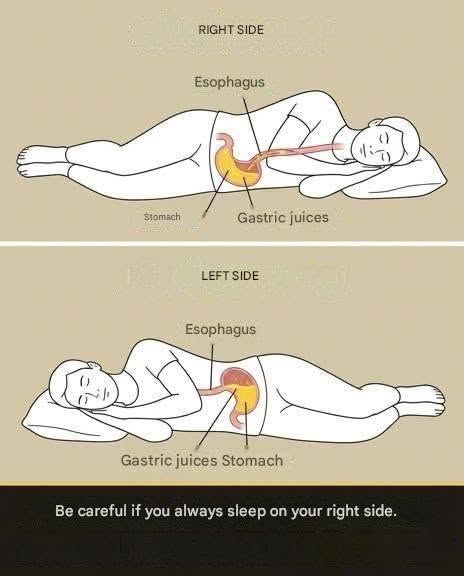
Acid reflux: Reflux can contribute to throat irritation, coughing, and a sensation of mucus.
The best way to manage persistent mucus depends on its underlying cause. Home remedies may relieve symptoms, but they do not treat every possible condition.
7 Natural Ways to Relieve Phlegm and Mucus
1. Drink Plenty of Fluids
Staying hydrated is one of the simplest ways to help manage thick mucus. Water and other suitable fluids can help keep secretions from becoming overly thick, making them easier to clear through coughing or swallowing.
Try drinking water regularly throughout the day. Warm drinks may also soothe an irritated throat.
If a healthcare professional has advised you to restrict fluids because of a heart or kidney condition, follow that advice rather than increasing your intake.
2. Try Warm Water With Honey
Honey may help soothe a cough associated with a respiratory infection, particularly when coughing interferes with sleep.
To prepare a simple drink:
Add one or two teaspoons of honey to a cup of warm water.
Stir until the honey dissolves.
Sip slowly while the drink is comfortably warm.
You can add lemon for flavor if you enjoy it. However, honey does not directly remove mucus from the lungs, and evidence for its benefit is mainly related to cough relief.
Never give honey to a child younger than 12 months because of the risk of infant botulism.
3. Use a Clean Humidifier
Dry indoor air may irritate the nose and throat. A clean cool-mist humidifier can add moisture to the air and help ease congestion for some people.
Follow the manufacturer's cleaning instructions carefully, change the water as directed, and avoid allowing moisture to accumulate on walls or furniture. A dirty humidifier can spread microorganisms or other particles into the air.
A warm shower may also provide temporary comfort. Avoid leaning over a bowl of boiling water, as steam can cause serious burns.
4. Use Saline Nasal Spray
If mucus is coming from your nose or sinuses and draining into your throat, a saline nasal spray may help loosen secretions and relieve congestion.
Use the product according to its instructions. If you use a nasal rinse rather than a ready-made spray, use only distilled, sterile, or previously boiled and cooled water. Never use untreated tap water for nasal rinsing.
Saline treatments may help nasal symptoms, but they do not directly clear mucus deep inside the lungs.
5. Gargle With Warm Salt Water
A warm saltwater gargle may soothe throat irritation and help loosen mucus sitting in the back of the throat.
To try it:
Mix about half a teaspoon of salt into a glass of warm water.
Gargle gently.
Spit the solution out rather than swallowing it.
This method may provide temporary throat relief, but it does not treat a lung infection or remove mucus from the lower airways.
Saltwater gargling is not suitable for young children who cannot gargle and spit safely.
6. Avoid Smoke and Other Airway Irritants
Cigarette smoke, secondhand smoke, dust, and strong fumes can irritate the respiratory tract and worsen coughing or mucus production.
Consider these steps:
Avoid smoking and vaping.
Stay away from secondhand smoke.
Reduce exposure to dust and strong cleaning fumes.
Keep indoor spaces well ventilated when appropriate.
If allergies trigger your symptoms, identify and reduce exposure to the relevant allergens.
Reducing irritation can make it easier for the airways to recover.
7. Rest and Sleep With Your Head Slightly Elevated
Rest helps your body recover from respiratory infections. If mucus drainage or coughing becomes more noticeable when you lie down, raising your head slightly with a suitable pillow arrangement may help you feel more comfortable.
This can be particularly useful when nasal drainage irritates the throat at night.
If you regularly experience coughing or breathlessness when lying flat, especially alongside leg swelling, do not assume it is simply mucus. Seek medical advice because heart or lung conditions may sometimes cause these symptoms.
Does the Color of Your Phlegm Tell You Whether You Have an Infection?
Mucus can be clear, white, yellow, green, or occasionally blood-streaked.
Yellow or green phlegm does not automatically mean you have a bacterial infection or need antibiotics. Viral infections can also produce colored mucus.
However, blood in your phlegm, repeated episodes of bloody mucus, or mucus accompanied by significant breathing problems should be assessed by a healthcare professional.
Do not use mucus color alone to decide whether you need antibiotics.
What About Medicines That Thin Mucus?
Some over-the-counter expectorants, such as guaifenesin, are intended to make mucus easier to cough up. Whether they are suitable depends on your age, symptoms, other medicines, and health conditions.
Ask a pharmacist or healthcare professional before using cough and cold medicines, particularly if you are pregnant, take prescription medication, or have asthma, high blood pressure, or another chronic condition.
Children require special caution: many over-the-counter cough and cold medicines are not recommended for young children.
Antibiotics should only be used when a healthcare professional determines that they are needed. They do not treat ordinary viral colds.
When Should You See a Doctor?
Seek urgent medical attention if you experience:
Difficulty breathing or severe shortness of breath.
Severe or persistent chest pain.
Blue or gray lips, confusion, or fainting.
Significant coughing up of blood.
Arrange medical advice if your cough lasts longer than three weeks, your symptoms are worsening, you have a persistent fever, or you repeatedly produce bloody mucus.
People with weakened immune systems or chronic heart or lung conditions may need assessment sooner.
Frequently Asked Questions
Can drinking water get rid of phlegm?
Water can help keep mucus from becoming too thick and may make it easier to clear. It does not necessarily eliminate the underlying cause of excess mucus.
Is warm lemon water good for mucus?
Warm lemon water can soothe the throat and help you maintain fluid intake. Adding honey may help relieve a cough. However, there is no strong evidence that lemon water directly clears mucus from the lungs.
Should I suppress a cough that brings up phlegm?
A productive cough helps clear mucus from the airways. Whether a cough medicine is appropriate depends on the cause and severity of your symptoms. Ask a healthcare professional if you are unsure.
How long does chest mucus usually last?
Mucus associated with a common respiratory infection often improves as the infection resolves. A cough can persist for several weeks, but symptoms that worsen, last longer than expected, or come with breathing difficulties should be evaluated.
Can phlegm in the throat be caused by allergies?
Yes. Allergies can increase nasal secretions, which may drain down the back of the throat. Saline nasal spray and reducing exposure to allergens may help, although persistent symptoms may require additional treatment.
Final Thoughts
Phlegm and mucus help protect your airways, but excess secretions can make breathing and sleeping uncomfortable. Drinking enough fluids, using a clean humidifier, trying saline nasal spray, and avoiding smoke may help relieve symptoms.
Remember that home remedies provide symptom relief rather than a guaranteed cure. If you have difficulty breathing, chest pain, bloody phlegm, or symptoms that persist or worsen, seek medical advice instead of relying on natural remedies alone.
Medical disclaimer: This article is for educational purposes only and does not replace professional medical advice, diagnosis, or treatment.