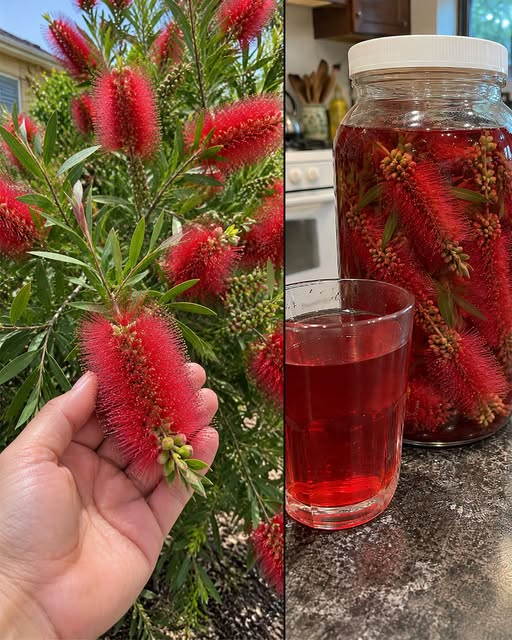
My Neighbor Gave Me a Bag of These Strange Objects — What Are They?
Have you ever received something unusual from a neighbor and had absolutely no idea what to do with it? Imagine opening a bag and finding several small, dark, bird-shaped objects covered in intricate patterns. At first glance, they might look like miniature animals, traditional ornaments, or even something edible.
That is exactly what makes objects like these so fascinating. Their unusual shapes and detailed surfaces immediately raise questions: What are they made of? Where did they come from? And are they meant to be displayed, collected, or used for something practical?
What Are These Strange Objects?
The objects shown in the photograph resemble small bird-shaped figures with long, curved necks and carved-looking surface details. Their brown and dark coloration gives them an aged, handcrafted appearance.
However, a photograph alone is not enough to determine exactly what they are. They could be decorative figurines, handmade crafts, traditional objects, or another type of item entirely. Their material and intended purpose would need to be examined more closely.
Before identifying them, it is important to look at their texture, weight, construction, and any markings that might provide clues.
Could They Be Handmade Decorations?
One possibility is that the objects are handmade decorative pieces. Craftspeople around the world create miniature animal figures from materials such as wood, clay, resin, and other substances.
Small animal figurines are often used as home decorations, souvenirs, collectibles, or components of traditional crafts. Carved patterns and irregular shapes can sometimes indicate hand finishing, although appearance alone cannot establish how an object was manufactured.
If the objects are made from wood or another solid material, checking their underside for carving marks, labels, or identifying information may help narrow down their origin.
Are They Something You Can Eat?
This is an important question because the original photograph might lead some people to wonder whether the objects are a type of traditional food.
Do not eat unidentified objects based on their appearance. Their dark color, unusual shape, and textured surface do not establish that they are edible.
If someone gives you an unfamiliar item and claims it is food, ask for its name, ingredients, origin, and preparation instructions. Look for reliable identification before attempting to cook or consume it.
If the objects have an unfamiliar odor, show signs of contamination, or have no clear identification, keep them away from food and children until their identity is established.
How Can You Identify Them?
If you have encountered similar objects, a few simple observations may help:
Examine the material. Determine whether the surface looks like wood, clay, metal, resin, or something else.
Look for identifying marks. Labels, stamps, packaging, and maker's marks can provide useful clues.
Ask the person who gave them to you. They may know where the objects came from or what they are called.
Compare reliable references. A clear photograph of the front, back, and underside may help an experienced collector or specialist identify them.
Avoid tasting or burning them. These methods are unsafe and cannot reliably establish what an unknown object is.
Why Unusual Objects Fascinate Us
People are naturally curious about unfamiliar things. An object that looks recognizable at first but remains difficult to identify can quickly become a conversation starter.
Sometimes the answer turns out to be simple: an everyday household item, a handmade ornament, or a traditional craft from another region. In other cases, further investigation is needed before a confident identification is possible.
The key is to remain curious without jumping to conclusions.
Frequently Asked Questions
What are the bird-shaped objects in the picture?
Their exact identity cannot be confirmed from the photograph alone. They resemble small bird-shaped figures, but their material and purpose remain uncertain.
Are they made from wood?
They appear to have a carved or textured surface, but the photograph does not establish their material. A closer inspection would be necessary.
Can these objects be cooked or eaten?
There is no reliable evidence in the photograph that they are food. Do not eat them unless their identity and food safety have been independently verified.
How can I find out where they came from?
Ask the person who gave them to you, inspect any packaging or markings, and seek help from a knowledgeable craft collector or relevant specialist.
Final Thoughts
A bag of unusual objects can turn an ordinary day into a small mystery. Although these figures have an intriguing bird-like appearance, their true identity cannot be established from the photograph alone.
Rather than guessing, examine them carefully and look for reliable information about their material and origin.
Have you ever received a strange object that you couldn't identify? Share your experience in the comments, and if you recognize these figures, tell us what they are and how you know.