How to Fix Bleach Stains on Clothes: What Works and What to Do Instead
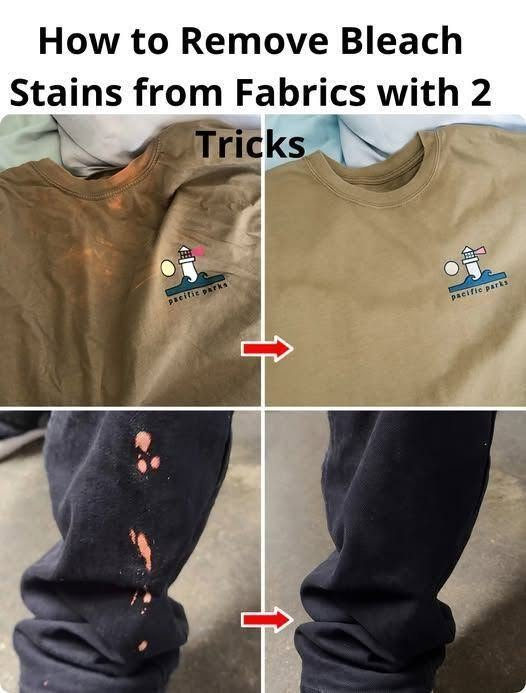
Have you ever pulled out your favorite shirt only to discover pale orange, pink, or white spots on the fabric? Bleach stains can be frustrating, especially when they appear on dark clothing. Before throwing the garment away, there are a few ways to improve its appearance.
The important thing to understand is that bleach stains are different from ordinary stains. Instead of simply leaving a mark on the fabric, chlorine bleach removes or changes the dye itself. That means the best solution depends on the fabric, the color, and how much damage has occurred.
Here are some practical ways to deal with bleach spots and give your clothes a second chance.
Why Does Bleach Leave Orange or White Spots?
Chlorine bleach is designed to remove color and whiten fabrics. When it accidentally touches a colored shirt, it can break down the dyes responsible for the garment's original shade.
On navy, black, brown, and other dark fabrics, the affected areas may turn orange, yellow, pink, reddish, or pale. The exact color depends on the dye and fabric.
Unfortunately, once the original dye has been removed, ordinary washing usually cannot restore it. However, you can sometimes disguise the damaged areas or recolor the garment.
Method 1: Rinse the Area Immediately
If bleach has just spilled on your clothes, act quickly.
What you need:
Cool running water
Laundry detergent
Instructions:
Rinse the affected area thoroughly with plenty of cool running water.
Follow the garment's care label and wash it separately if appropriate.
Check the fabric after washing.
Allow the garment to dry before deciding how to repair the color.
Rinsing helps remove remaining bleach and limit further chemical damage. It cannot restore dye that has already disappeared, but acting quickly may reduce additional damage.
Safety note: Never mix bleach with vinegar, ammonia, rubbing alcohol, or other household cleaners. Dangerous fumes or chemical reactions can result.
Method 2: Use Fabric Dye to Restore the Color
For a larger bleach mark, fabric dye may be one of the most effective options.
What you need:
Fabric dye suitable for the garment's material
Gloves
A container or washing machine, as directed by the dye manufacturer
Instructions:
Check the clothing label to identify the fabric.
Choose a dye designed for that material.
Follow the product instructions carefully.
Consider dyeing the entire garment if you want a more even result.
Wash and dry the item according to the dye instructions.
Cotton often accepts many fabric dyes well, while polyester and some blended fabrics require specialized products. Always test a small, inconspicuous area when possible.
Keep in mind that the final shade may not perfectly match the original color.
Method 3: Cover Small Spots With a Fabric Marker
For tiny bleach marks, a fabric marker in a similar shade may help disguise the damage.
Choose a marker intended for textiles.
Test the color on an inconspicuous area first.
Apply it carefully to the discolored spots.
Allow it to dry and set according to the manufacturer's instructions.
This method works best for small marks. A perfect match can be difficult, particularly on faded or textured fabrics, and the color may change after washing.
Method 4: Turn the Damage Into a Design
Sometimes, the easiest solution is to transform the shirt instead of trying to make the spots disappear.
You could add embroidery, fabric patches, decorative appliqués, or a creative pattern. For a garment suitable for a deliberate distressed look, additional design details may help the original marks look intentional.
This is a particularly useful option when the spots are too large for a fabric marker but you do not want to dye the entire garment.
Does White Vinegar Remove Bleach Stains?
A common household tip recommends applying white vinegar to bleach marks. However, vinegar cannot replace the dye that bleach has removed, so it will not restore the original color.
More importantly, never apply vinegar to clothing that may still contain chlorine bleach. Mixing vinegar with chlorine bleach can release toxic chlorine gas.
Likewise, do not mix bleach with rubbing alcohol, ammonia, or other cleaning products. If you are unsure whether the chemical has been rinsed away, use plenty of water and avoid adding another product.
Can Bleach-Damaged Clothes Be Saved?
Often, yes—but the result depends on the extent of the damage.
Tiny spots: Try a suitable fabric marker or decorative detail.
Several noticeable spots: Consider fabric dye or creative embellishment.
Large discolored areas: Dyeing the entire garment may produce a more consistent appearance.
Delicate or valuable clothing: Consult a professional cleaner before attempting a repair.
Bleach can also weaken some fibers, so recoloring may improve the appearance without repairing any structural damage.
How to Prevent Bleach Stains in the Future
A few precautions can help protect your favorite clothes:
Wear old clothing when using bleach.
Follow the product label and dilute bleach only as directed.
Keep bleach away from colored fabrics.
Store cleaning products safely and separately.
Never mix household cleaning chemicals.
Rinse accidental spills promptly with plenty of water.
Final Thoughts
Bleach stains do not always mean that a shirt belongs in the trash. Although the original dye usually cannot be restored simply by washing, fabric dye, textile markers, embroidery, and patches can help improve the garment's appearance.
The key is to choose a repair method suited to the fabric and the size of the damaged area. And remember: vinegar is not a bleach-stain remover and must never be mixed with chlorine bleach.
Have you ever rescued a favorite shirt from bleach stains? Share your best clothing-repair tip in the comments!